Swimming Lessons for Children with Autism

For a child on the autism spectrum, the benefits of learning how to swim are priceless. Its inherently therapeutic nature provides a comforting space for the child and aids in reducing stress from the outside world. Swimming lessons serve as a stimulant towards the child’s engagement in social interactions, which in turn helps their speaking skills, self-esteem, and other cognitive faculties. Additionally, knowing how to swim could save a child’s life.
Because April is Autism Awareness Month, here’s what any parent of a child with autism spectrum disorder (ASD) should know about swimming lessons and how they can help their child develop.
Water is a stress reliever
Water has a calming quality that soothes our bodies and reduces stress, and the therapeutic benefits of swimming and aquatic therapy are well documented. For example, the hydrostatic pressure of water creates a cradling and “weightless” environment, which helps relax your muscles.
For a child with ASD, these qualities of water are even more valuable because they help decrease hyperactivity and aggression. Instead, their focus can be turned to the concentration needed to keep themselves afloat. The gentle rhythms of floating in the water and the support of the water surrounding their bodies means the children don’t have to exert too much force on their bodies.
Additionally, the feeling of weightlessness that comes from swimming and treading water helps the child control their body movements so they do not harm themselves. Swimming also helps those with a strong sensitivity to touch get introduced to new sensory experiences in a safe, calming environment.
Drowning prevention
Drowning is the leading cause of death among children with ASD, according to the National Autism Association —it’s estimated that 91% of deaths of children on the spectrum ages 18-years-old and younger are the result of drowning. Most of the time, these cases involve wandering away from home.
The rate of children with ASD wandering from their home or away from a safe environment is four times higher than among the general population of children. When children on the autistic spectrum wander, they often find themselves attracted to water. In nearly all cases dying after wandering, the cause of death is from accidental drowning or suffocation.
Many children on the autism spectrum are unable to relay their address or phone number to other people, especially if they do not know them. Therefore, teaching them how to swim and be safe around bodies of water is a matter of life and death for a child on the autism spectrum.
Swimming helps autistic children learn and communicate better
In swimming lessons, children often perform exercises that use facial muscles, which serves as reinforcement for speech therapy. For example, when a student blows bubbles in the water, or motor boat noises, they are practicing the phonetics of p , b , and m sounds.
Additionally, learning how to hold and control their breath aids in articulation and enunciation. That way, they develop better communication with their parents and instructors. Parents of children with ASD who have taken them to swimming lessons have noted that their cognitive processes have improved, meaning the child is able to intake information and acquire knowledge better. This is due to the individualized nature of a swim lesson, which does not give them too much information to focus on all at once.
Social skills and self-esteem
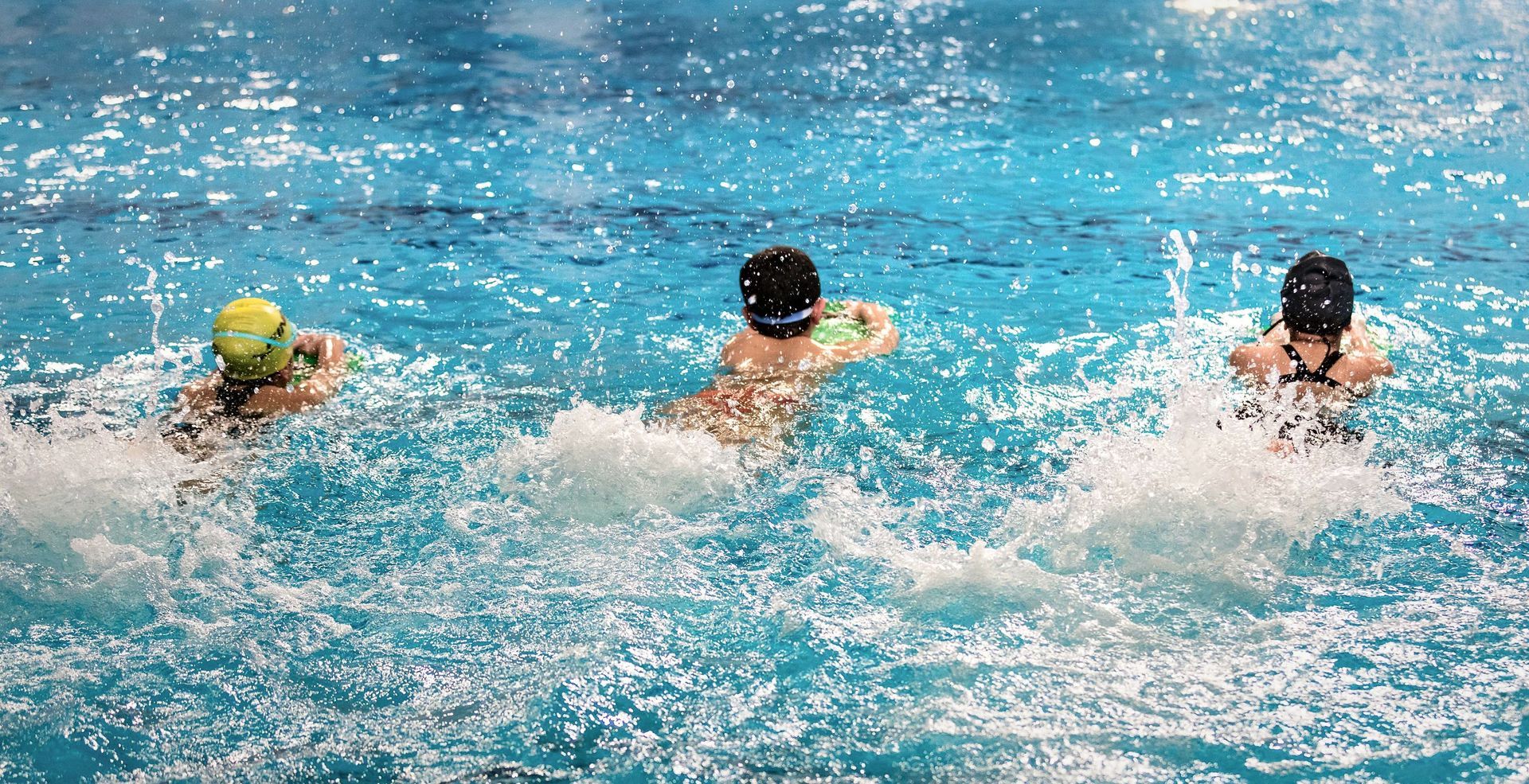
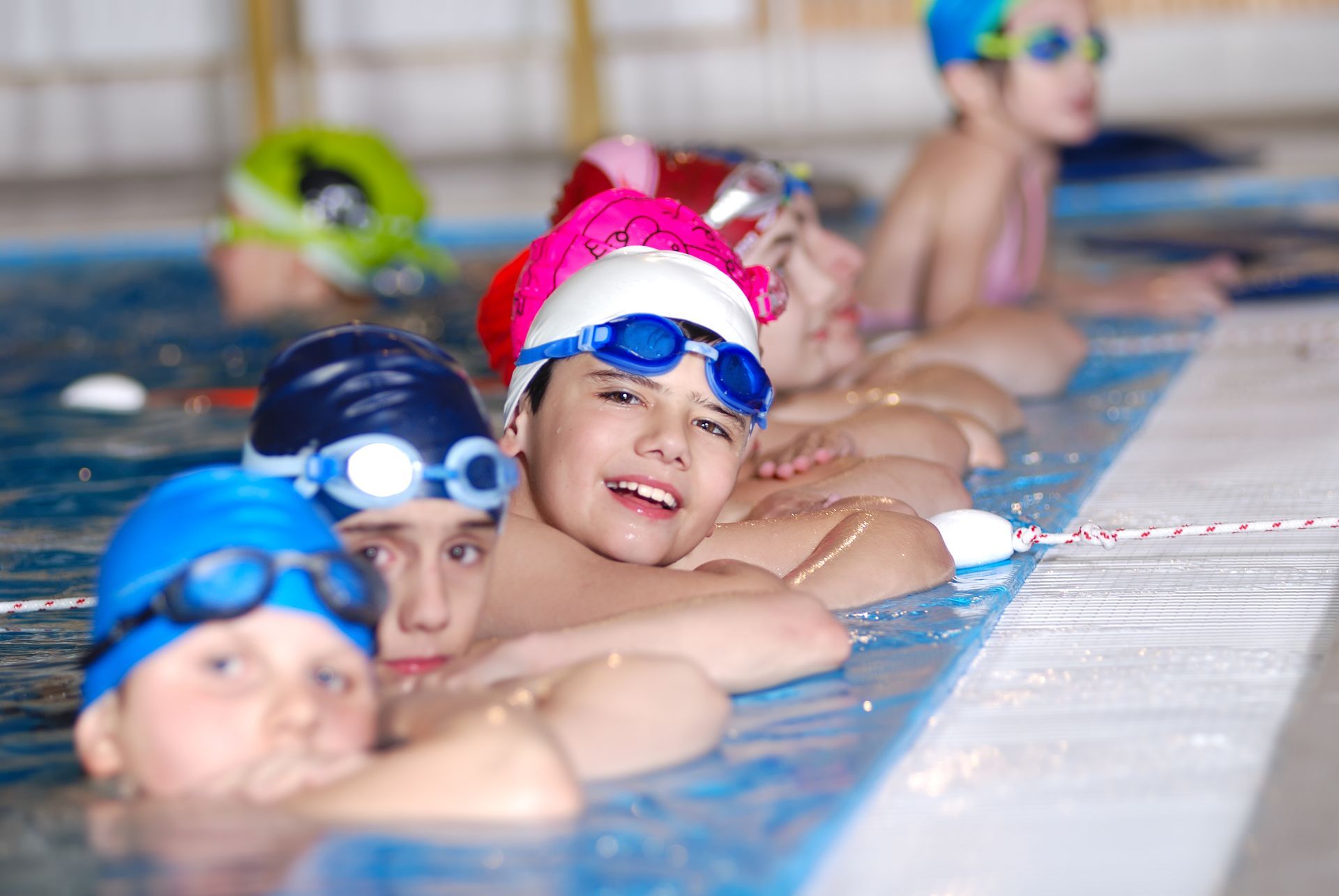
Children on the autism spectrum benefit greatly from group lessons in which team-building and interpersonal relationships are essential. Apart from the pride associated with a child’s personal achievements in learning basic swimming skills, they can also learn how to support other team members and successfully interact with them. As part of a team, they can learn how to cooperate and have friendly competition, all while experiencing the positive feedback from their individual efforts.
Children will also develop listening skills that allow them to understand and follow instruction. Putting children with ASD in these kinds of social situations allows them build confidence in a safe space that is not too demanding.
Swimming lessons provide so many opportunities to improve and supplement an autistic child’s learning and development. In addition to improved social skills, it also gives them a chance to succeed at what may seem at first like an impossible task. This sense of accomplishment can help propel them forward to achieve even more than they ever thought possible.
The post Swimming Lessons for Children with Autism appeared first on Swim Jim.