How Swimming Lessons Can Improve Children's Social Skills
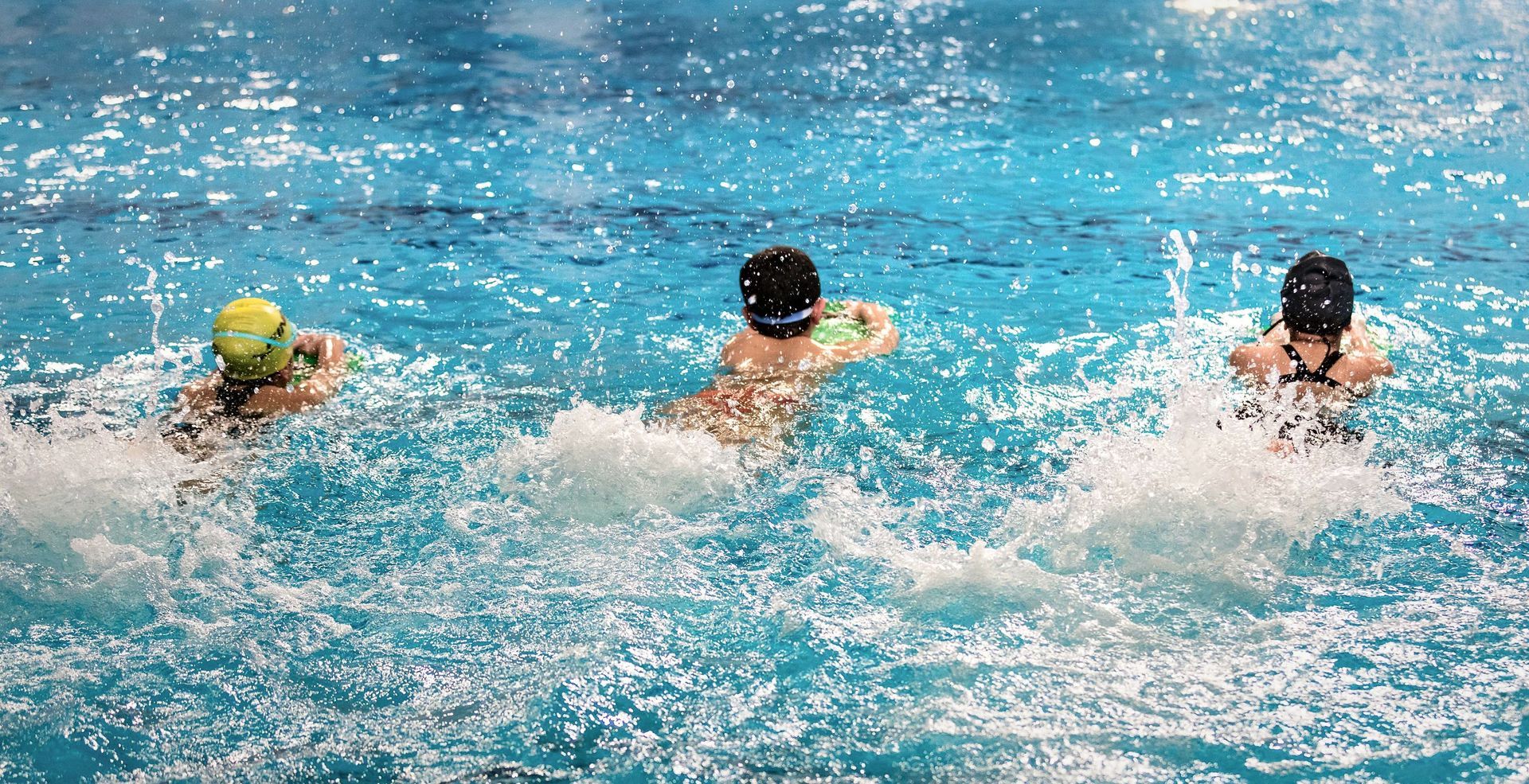
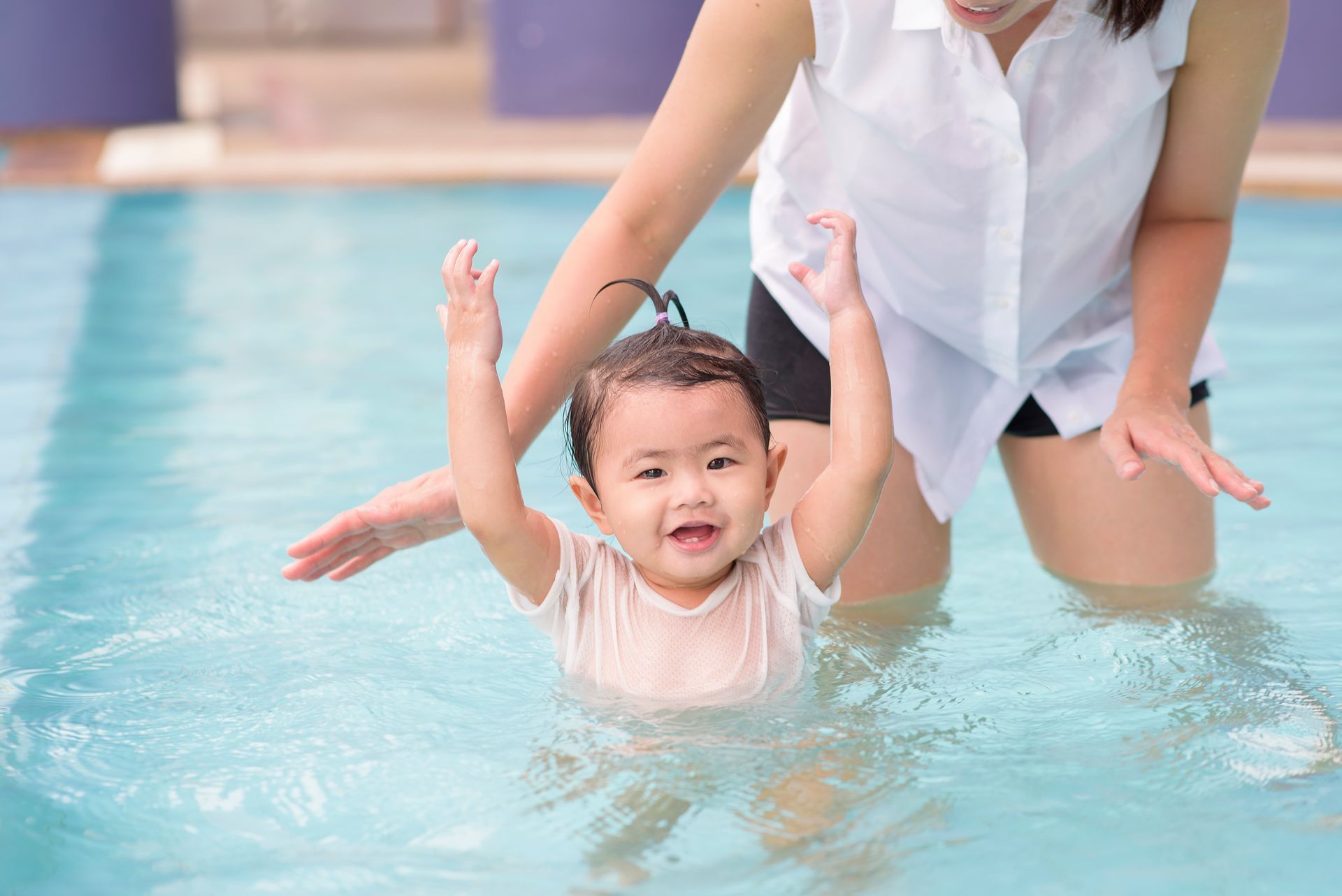
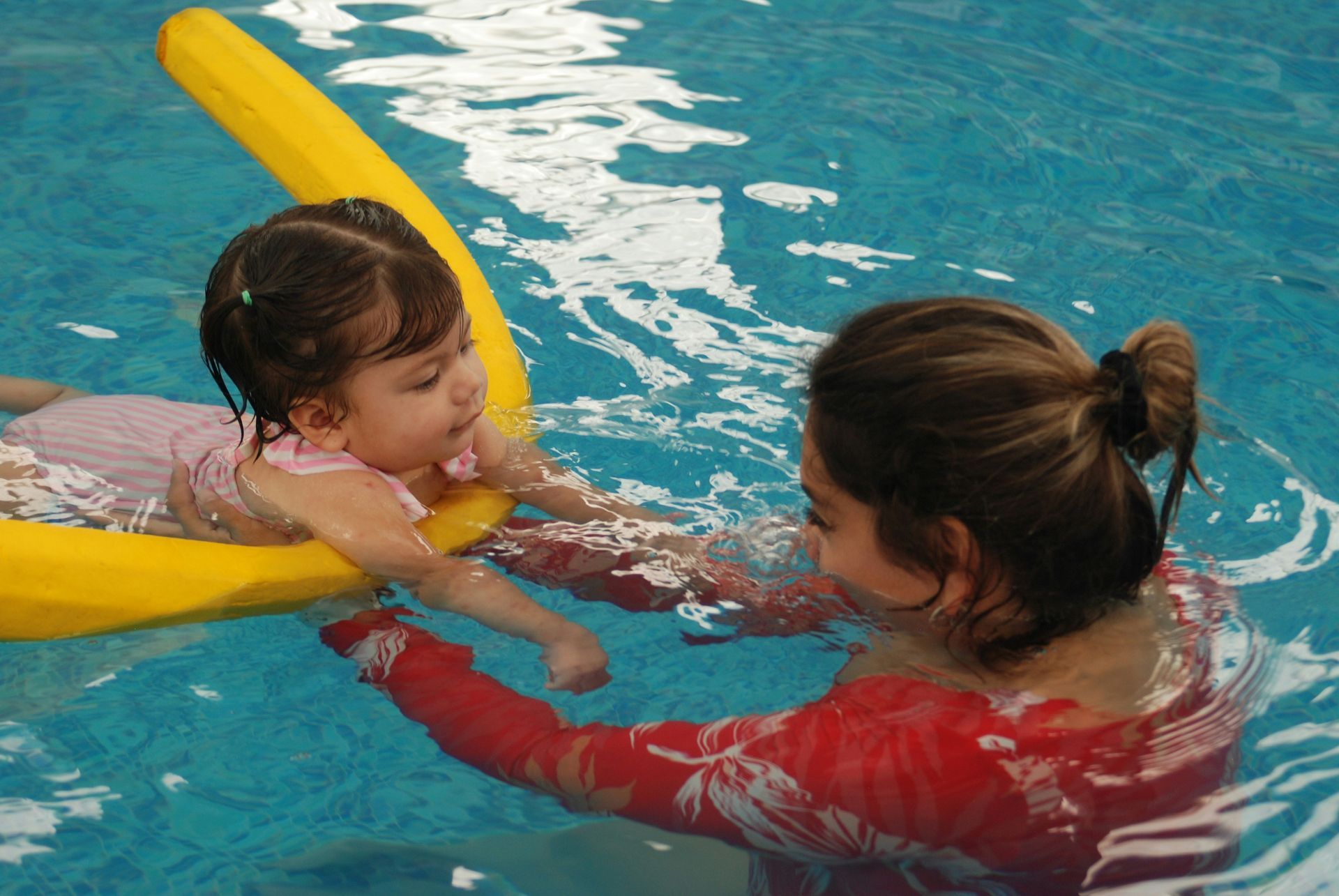
Swimming lessons can help children practice social skills through communication, cooperation, shared challenges, and regular interaction with instructors and other swimmers. These experiences can help children grow more comfortable participating with others while building confidence at their own pace.
At SwimJim, children learn in structured, supportive environments designed to help them become confident, capable swimmers. Along the way, they also get opportunities to listen, respond, wait, participate, celebrate progress, and connect with others.
Those moments may seem small. Together, however, they can become meaningful practice for everyday life.
Confidence
Confidence gives children a stronger foundation for interacting with the people around them. Swimming lessons can help build that confidence through achievable goals and steady progress.
Learning to swim involves trying things that may initially feel unfamiliar. A child might practice floating independently, master a new stroke movement, or swim farther than before.
Each accomplishment gives them evidence that they can learn something new.
That confidence can matter socially, too. A child who feels increasingly comfortable in class may become more willing to answer an instructor's question or participate alongside other swimmers.
Importantly, progress does not have to look dramatic.
SwimJim's kids and teen swim lessons use a progressive approach that allows children to develop their skills at their own pace. That creates room for confidence to grow naturally rather than forcing every child toward the same milestone at once.
Communication
Communication becomes part of nearly every swim lesson. Children practice listening to directions, responding to instructors, asking questions, and understanding what others expect from them.
These interactions give children repeated opportunities to practice both speaking and listening.
Communication can also happen without many words. Children watch demonstrations, notice when another swimmer finishes a turn, and learn the routines of their class.
Research into youth sports provides broader support for this connection. A 2026 systematic review of 189 studies found that sports participation was consistently associated with positive social outcomes, including interpersonal skills, prosocial behavior, and belonging.
Swimming lessons are not a guarantee that a child will suddenly become a great communicator. Instead, they provide another setting where communication has a clear purpose.
“Watch your instructor.” “Wait for your turn.” “Try again.” “Nice job.”
Simple interactions like these add up.
Cooperation
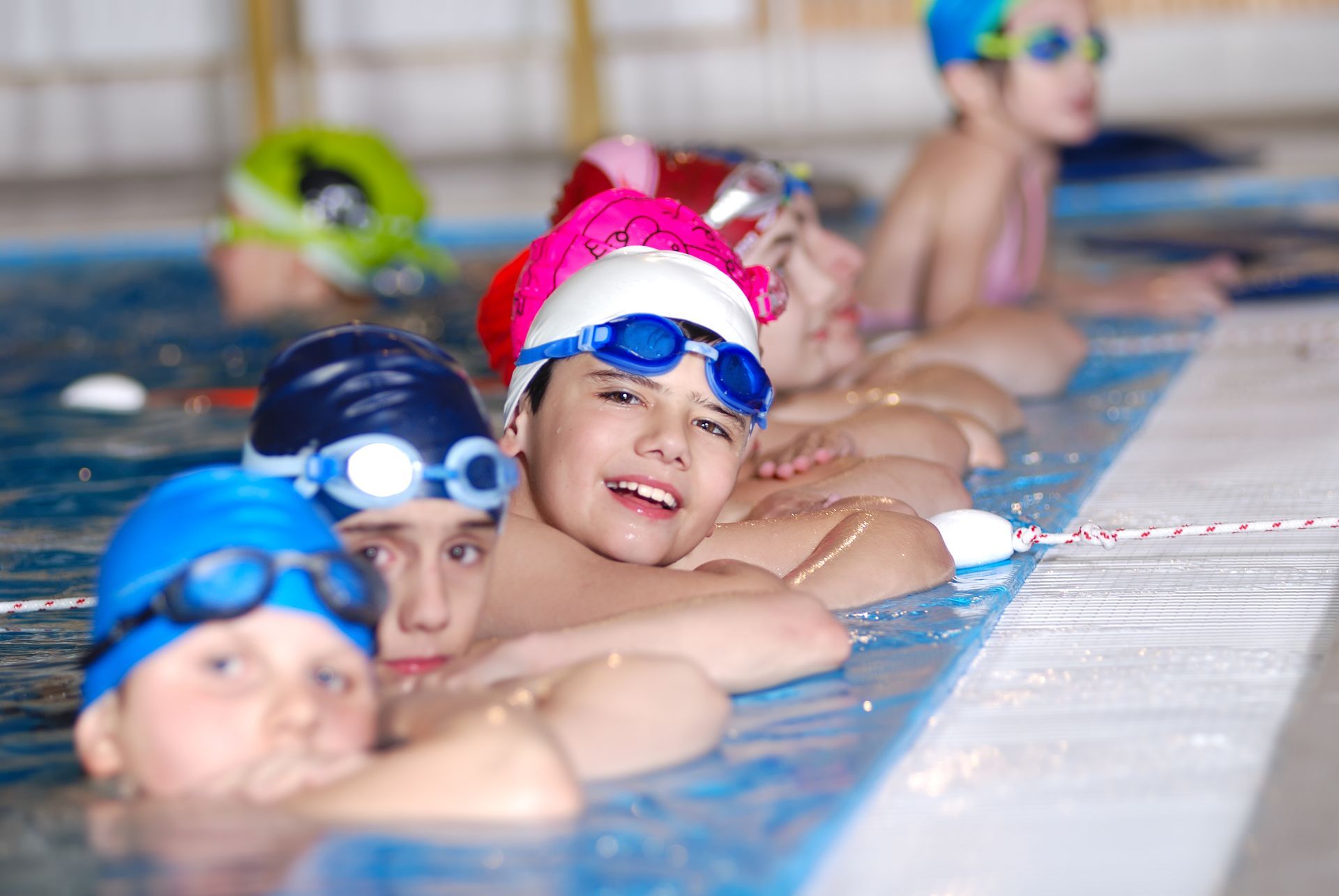
Cooperation helps children understand how their actions fit into a group. Group swimming lessons naturally create opportunities to practice sharing space, following routines, and learning alongside peers.
Our group lessons provide a collaborative learning environment with other swimmers. At the same time, children still receive guidance as they work through their own swimming skills.
That balance matters.
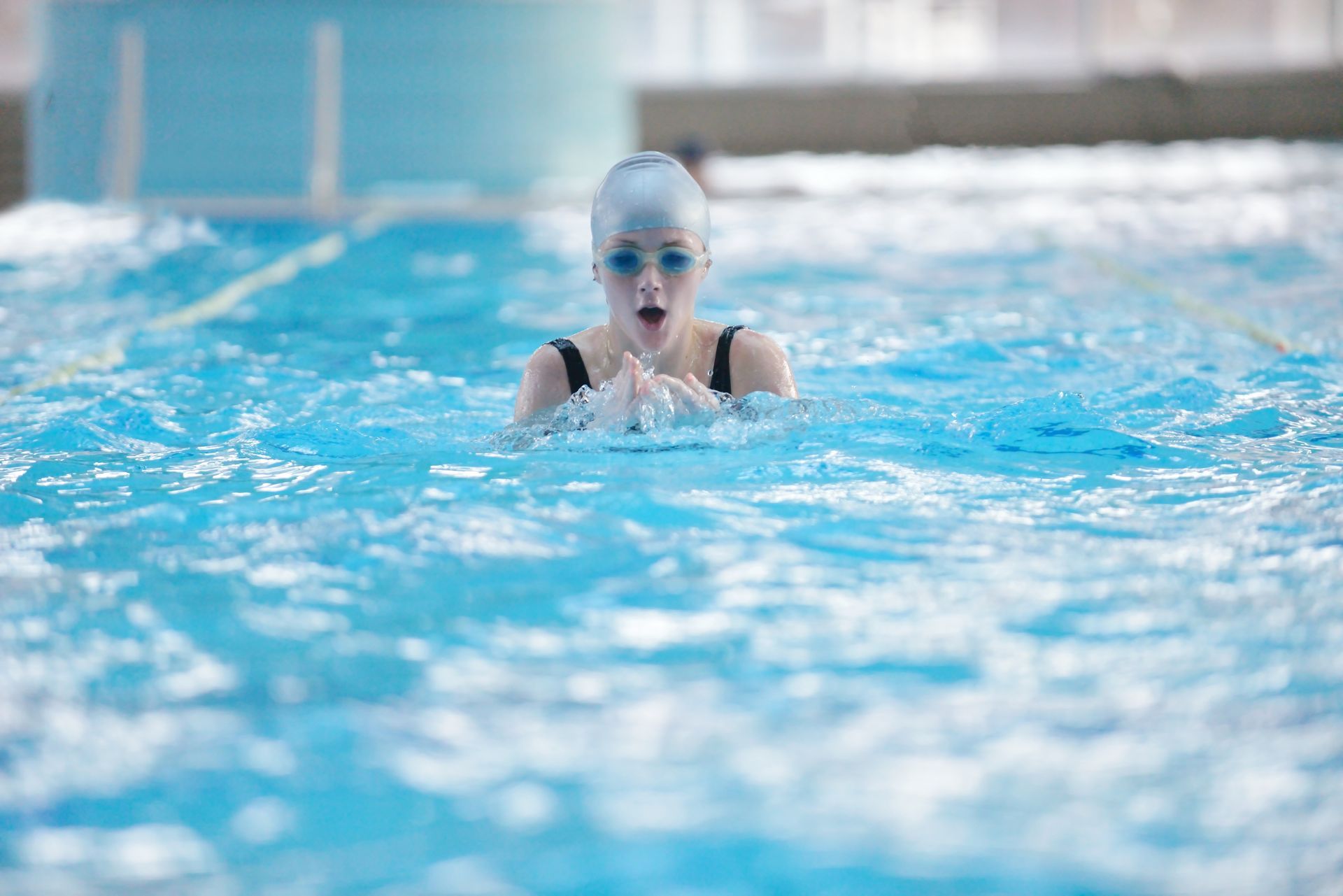
Swimming is often an individual activity, but learning to swim does not have to happen in isolation. Children can work toward personal goals while recognizing that everyone else in the class is learning, too.
They might wait while another swimmer practices. They may watch a classmate demonstrate a skill. They can learn to respect another child's space and celebrate someone else's progress.
Those are simple forms of cooperation, but they are useful ones.
Connection
Regular lessons can give children opportunities to become familiar with instructors and fellow swimmers. Familiarity can make social interaction feel easier and more natural over time.
Friendship does not always begin with a big introduction.
Sometimes, it starts because two children arrive for the same lesson each week. They recognize each other. They smile. They practice next to each other. Eventually, they might start talking.
For children who enjoy meeting new people, a group class can provide another place to make connections.
For children who need more time, regular lessons offer something equally valuable: repeated exposure to familiar people in a structured environment.
That consistency can allow relationships to develop without forcing them.
Resilience
Resilience grows when children encounter manageable challenges and discover that they can keep working. Swim lessons provide many opportunities to experience that process.
Few children master every swimming skill on their first attempt.
A swimmer may need several lessons to coordinate a movement or become comfortable practicing independently. They learn that difficulty does not automatically mean failure.
They can listen to feedback, make an adjustment, and try again.
Children also see their classmates doing the same thing. Everyone has something they are working on.
That shared experience can help normalize effort. Instead of assuming they must get everything right immediately, children can learn that progress takes practice.
A challenge can become something to work through rather than something to avoid.
Leadership
Leadership in children can begin with simple behaviors rather than taking charge of an entire group. Swimming lessons can create opportunities to model effort, encourage others, and demonstrate responsibility.
A more experienced swimmer might show confidence while practicing a familiar skill. Another child may cheer when a classmate reaches a new milestone.
Someone else may lead simply by listening carefully and showing what good participation looks like.
Research on youth sports has examined similar life skills. One study involving 317 youth soccer players looked at perceived development in areas including teamwork, communication, social skills, problem-solving, and leadership.
The setting was soccer rather than swimming, so we should not assume identical results. However, it illustrates how structured sports can create situations where children practice skills that extend beyond physical performance.
Leadership can be quiet, too. Sometimes, it looks like courage, kindness, patience, or setting a positive example.
Individuality
Every child approaches social situations differently, and healthy social development does not mean turning a quiet child into an outgoing one. Swim lessons can support children while respecting those individual differences.
An extroverted child may quickly chat with classmates and eagerly volunteer to demonstrate a skill. An introverted child may prefer to observe first. They might build a relationship with their instructor before interacting much with other swimmers.
Both children can be developing socially.
The goal is not to decide which approach is better. Instead, parents can look for growth relative to their own child.
Perhaps your child starts answering the instructor more confidently. Maybe they begin saying hello to another swimmer. They might become comfortable taking their turn without looking to you for reassurance.
Those can all be meaningful signs of growing confidence.
SwimJim recognizes that swimmers have different learning preferences and needs. Families can explore group, private, and specialty swim lessons to find an environment suited to their child's goals.
Community
Swimming lessons can give children a place to learn skills while becoming part of a familiar community. Consistent instruction combines personal progress with opportunities for positive interaction.
That combination can make the pool an especially interesting learning environment.
Children have their own goals, but they do not pursue them entirely alone. In group lessons, they share the experience with instructors and other children who are learning, practicing, and progressing beside them.
Over time, the lessons can become about more than getting from one side of the pool to the other.
Children can practice listening. They can learn patience. They can encourage someone else. They can discover how good it feels to accomplish something after working hard.
Most importantly, they can do those things while remaining themselves.
At SwimJim, our goal is to help children become confident, resilient swimmers through supportive instruction and steady progress.
Find a class where your child can learn, grow, and make their own splash.