A Parent's Guide to Toddler Swim Safety Essentials
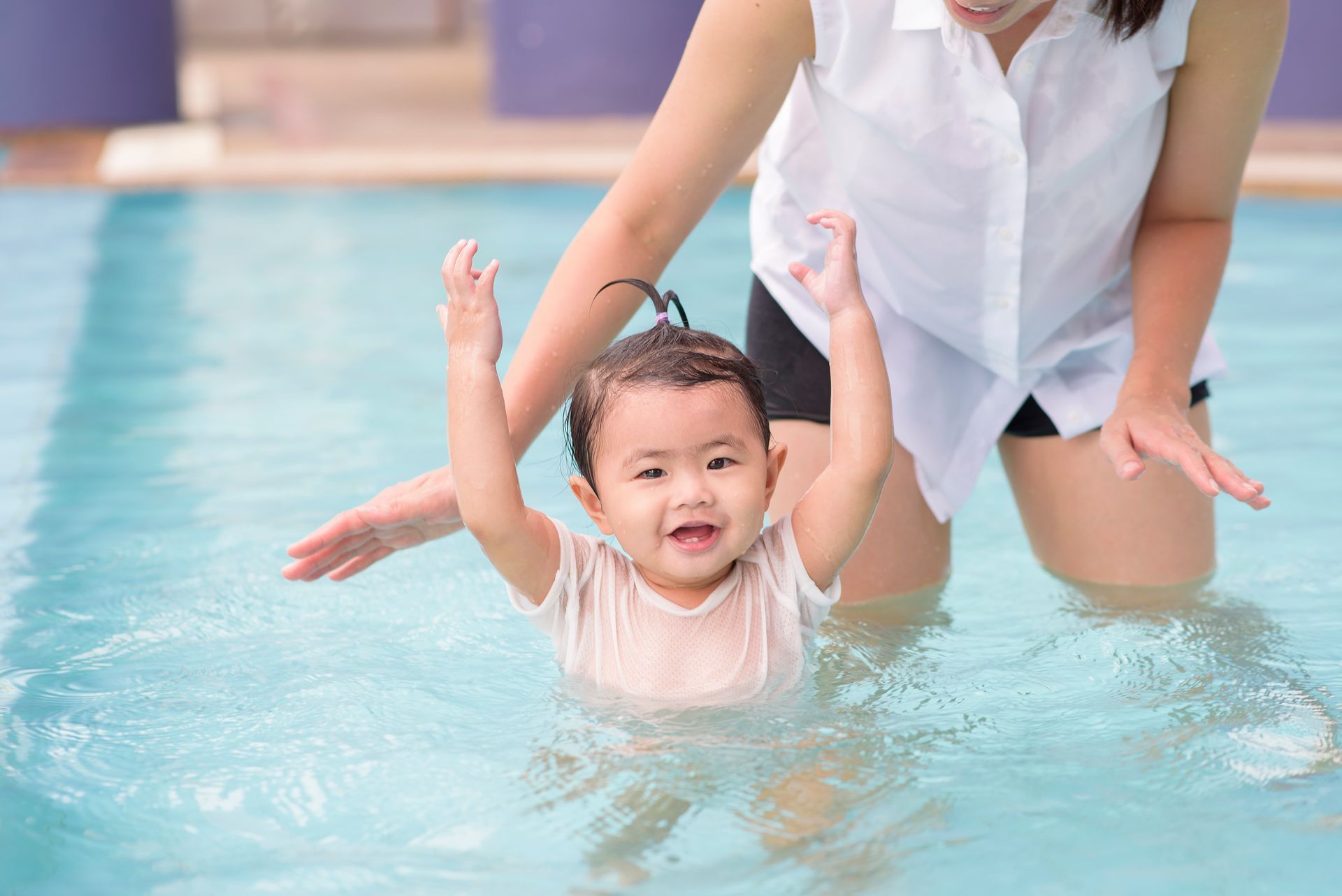
Water can be one of the most exciting places for a toddler to learn and play. It is also an environment where good habits matter from the very beginning. Parents naturally want their children to feel comfortable in the water while learning skills that support a lifetime of safe swimming.
The good news is that swim safety starts long before a child learns their first stroke. It begins with engaged parents, thoughtful preparation, and lessons designed around a toddler's unique stage of development. At SwimJim, our programs help families build confidence one lesson at a time while making learning fun and encouraging.
Parent Involvement
Many parents wonder how much they should participate once swim lessons begin. The answer is simple. Your involvement makes a meaningful difference.
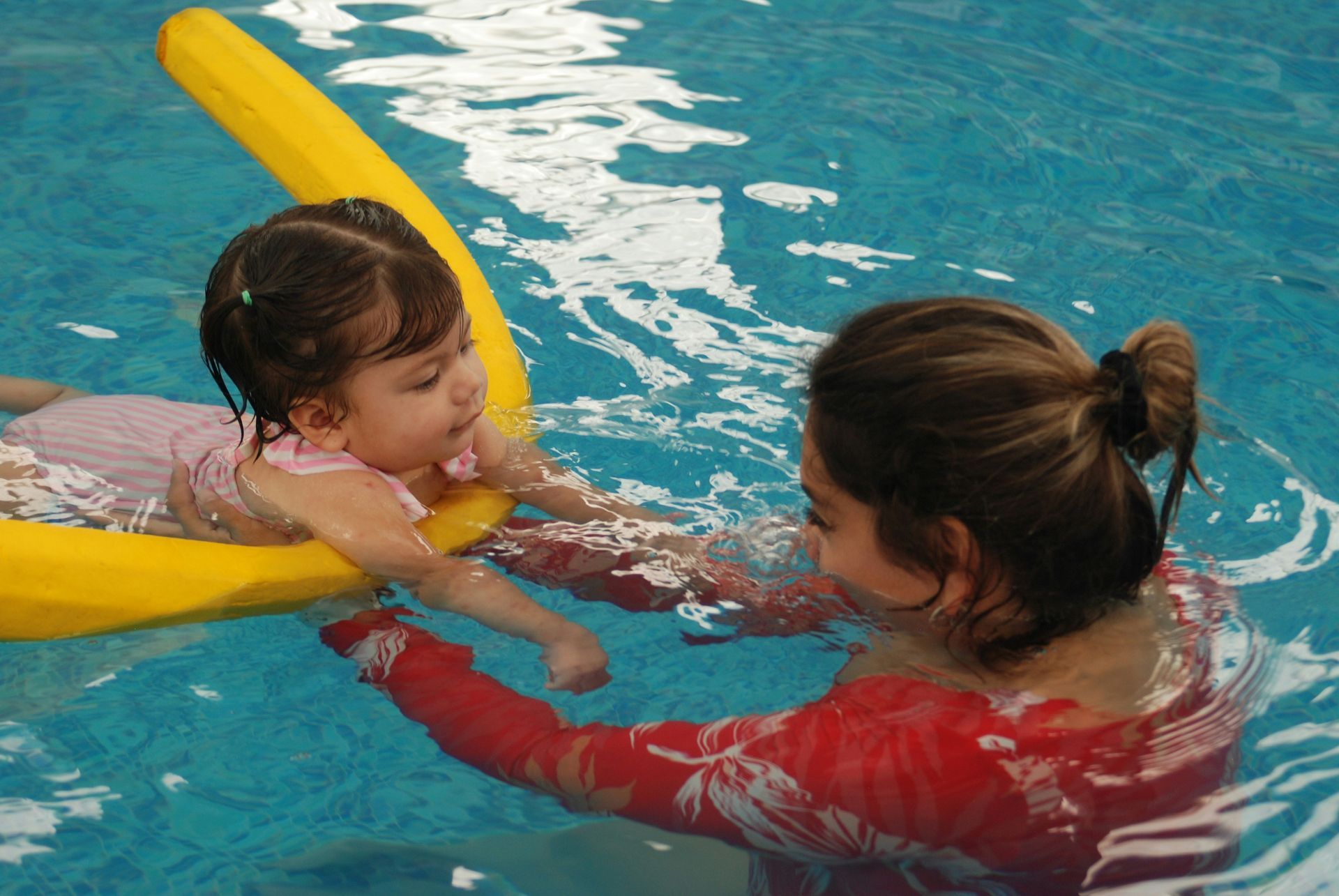
Toddlers learn best when they feel secure. Seeing a trusted parent nearby helps them relax and stay engaged during lessons. Even if your child's class does not require you to be in the water, your encouragement before and after each lesson reinforces positive experiences.
During recreational swim time, continue practicing the skills introduced in class. Keep the atmosphere light and playful. Celebrate small accomplishments like blowing bubbles, kicking independently, or floating with assistance. These moments help build confidence over time.
The American Academy of Pediatrics (AAP) encourages parents to combine swim lessons with active adult supervision and multiple layers of water safety. Swim lessons complement supervision rather than replace it.
Swim Readiness
Every toddler develops at their own pace. Instead of focusing on age alone, look for signs that your child is ready to begin exploring the water.
Many toddlers enjoy entering the pool willingly, following simple directions, and participating in structured activities for short periods. They may also show curiosity about splashing, kicking, or moving through the water.
Readiness does not mean a child already knows how to swim. It simply means they are prepared to begin learning in a supportive environment.
At SwimJim, instructors tailor lessons to each child's comfort level. The goal is steady progress through positive experiences rather than rushing milestones.
Safety Habits
Strong safety habits become routine when families practice them consistently.
Always stay within arm's reach of toddlers during recreational swimming. This practice is often called "touch supervision" because an adult remains close enough to provide immediate assistance if needed.
Choose designated swimming areas that are appropriate for young children. Before entering the water, explain simple expectations using language your toddler understands. Consistent routines help children know what to expect each time they swim.
At SwimJim, safety habits are introduced naturally throughout each lesson. Children learn that listening, waiting for instructions, and practicing skills together are all part of becoming confident swimmers.
These routines support long-term confidence because they become familiar parts of every swimming experience.
Swim Equipment
The right equipment supports learning without distracting from it.
A properly fitted swimsuit allows toddlers to move comfortably during lessons. Well-fitting swim diapers help maintain a clean learning environment for younger swimmers. Comfortable goggles may help some children feel more confident underwater, although not every beginner needs them immediately.
Parents often ask about flotation devices. Properly fitted life jackets that meet approved safety standards are often recommended.
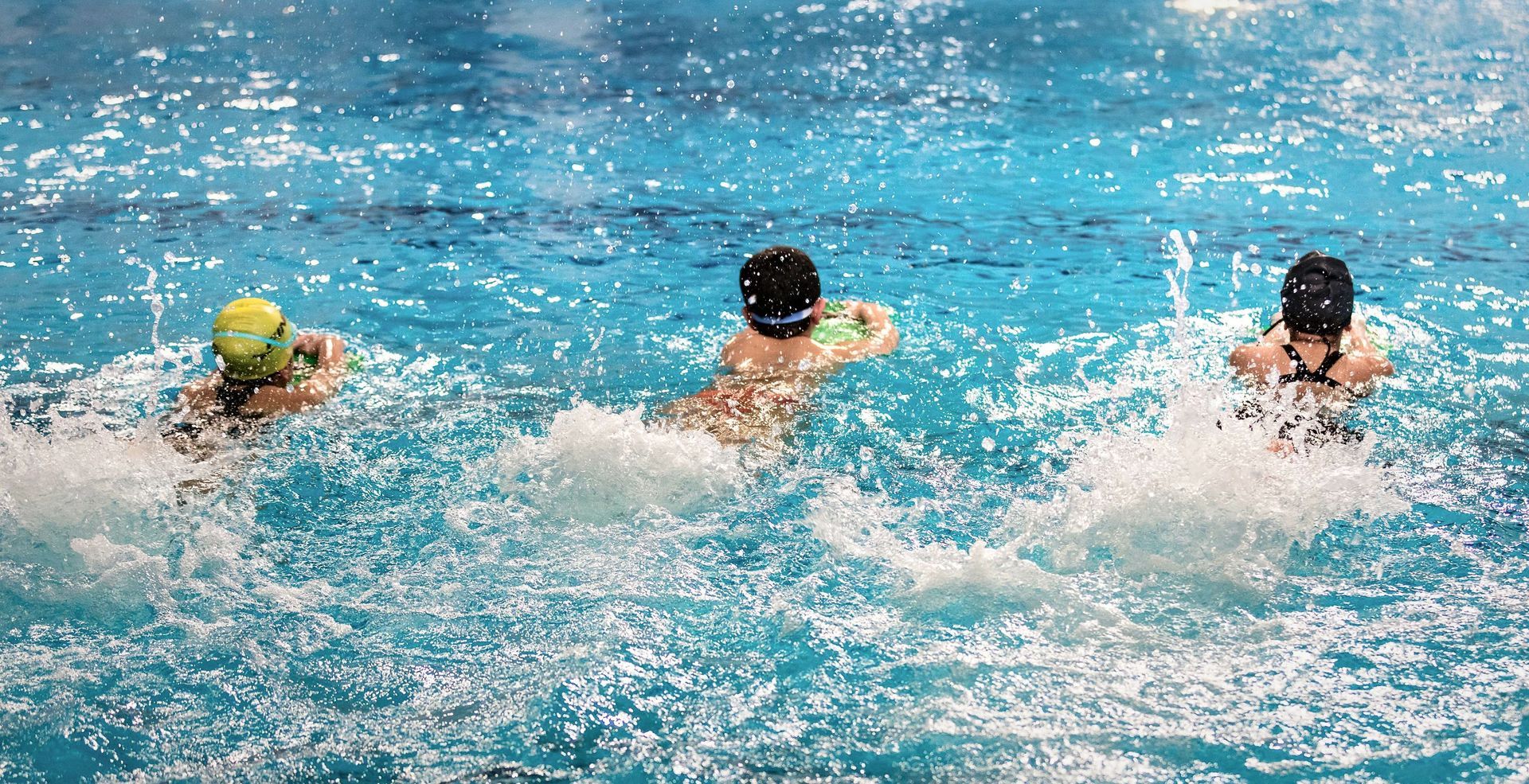
During swim lessons, instructors often use specific teaching equipment designed to help children develop real swimming skills. Your instructor can recommend what your child needs for their individual class.
Keeping equipment simple allows toddlers to focus on learning rather than managing unnecessary gear.
Family Practice
Swim lessons create the foundation, but regular family practice helps reinforce new skills.
Keep practice sessions short and enjoyable. A few minutes of playful repetition often works better than long sessions that leave toddlers tired or overwhelmed.
Practice activities introduced during lessons whenever possible. Encourage kicking, floating, reaching for the pool wall, and comfortable water exploration while staying close beside your child.
Children thrive on consistency. The more familiar the water becomes, the more relaxed and confident they often feel during future lessons.
Families who make swimming a positive routine often see confidence grow naturally with each visit to the pool.
SwimJim Support
Choosing a swim school means finding instructors who understand both swimming skills and child development.
SwimJim has spent decades helping children develop water confidence through age-appropriate instruction and supportive teaching methods. Every lesson is designed to encourage learning in a welcoming environment where children can progress at their own pace.
Whether your toddler is experiencing the pool for the first time or building on existing skills, our instructors help create positive experiences that families can feel good about.
If you are looking for swim lessons that prioritize safety, confidence, and fun, explore the programs available at SwimJim. Browse our swim lesson programs to find the right fit for your child.
Every confident swimmer starts somewhere. We'd love to help your family begin that journey together.