Swimming Techniques That Impact Childhood Development
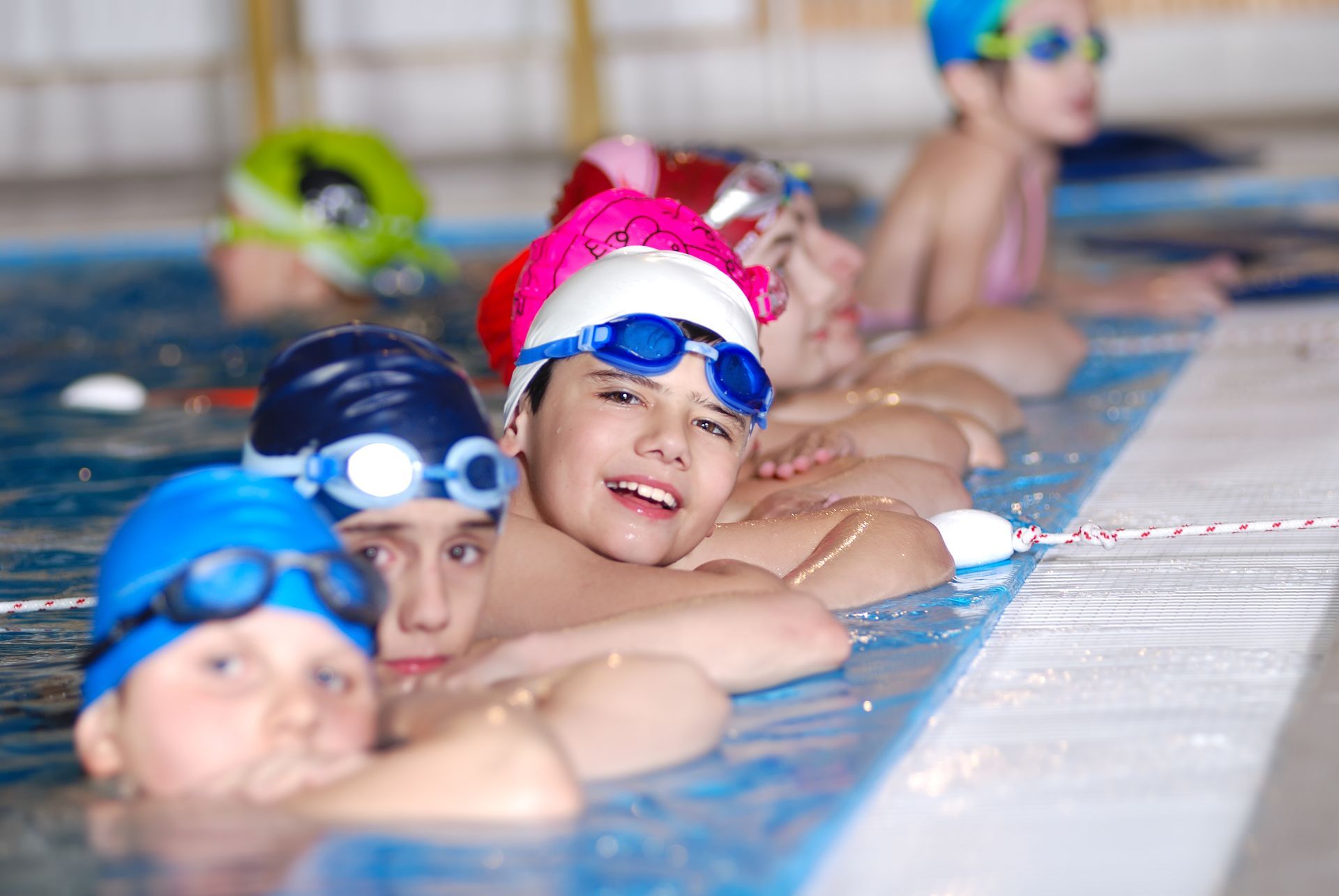
Learning to swim gives children much more to practice than moving from one side of the pool to the other. Each new skill combines movement, coordination, attention, repetition, and growing independence.
Swimming can support childhood development by giving children regular opportunities to practice fundamental movement skills. It may also engage learning skills such as listening, remembering sequences, and following directions.
At SwimJim, swimming instruction progresses from foundational skills to more coordinated strokes and independent movement. Children can build their abilities one skill at a time while becoming more comfortable and confident swimmers.
Physical Development
Swimming gives children a unique environment for developing and practicing movement skills. Kicking, reaching, floating, rotating, and maintaining body position all require children to control their bodies in different ways.
Research supports this connection. A 2023 systematic literature review published in Children examined swimming and fundamental movement skills in children ages 3 through 11. The researchers reviewed 10 studies and found significant positive effects on fundamental movement skill development. The review identified improvements in areas such as balance and locomotor skills.
Swimming techniques naturally give children opportunities to practice these abilities. Even foundational skills can involve several parts of the body working together.
For example, SwimJim's Swim Basics classes introduce body stability, posture, breath control, floating, and gross motor arm movements. As children progress, these foundations prepare them for increasingly complex swimming skills.
Motor Coordination
Swimming requires children to coordinate several movements instead of relying on one motion at a time. As techniques become more advanced, that coordination becomes increasingly complex.
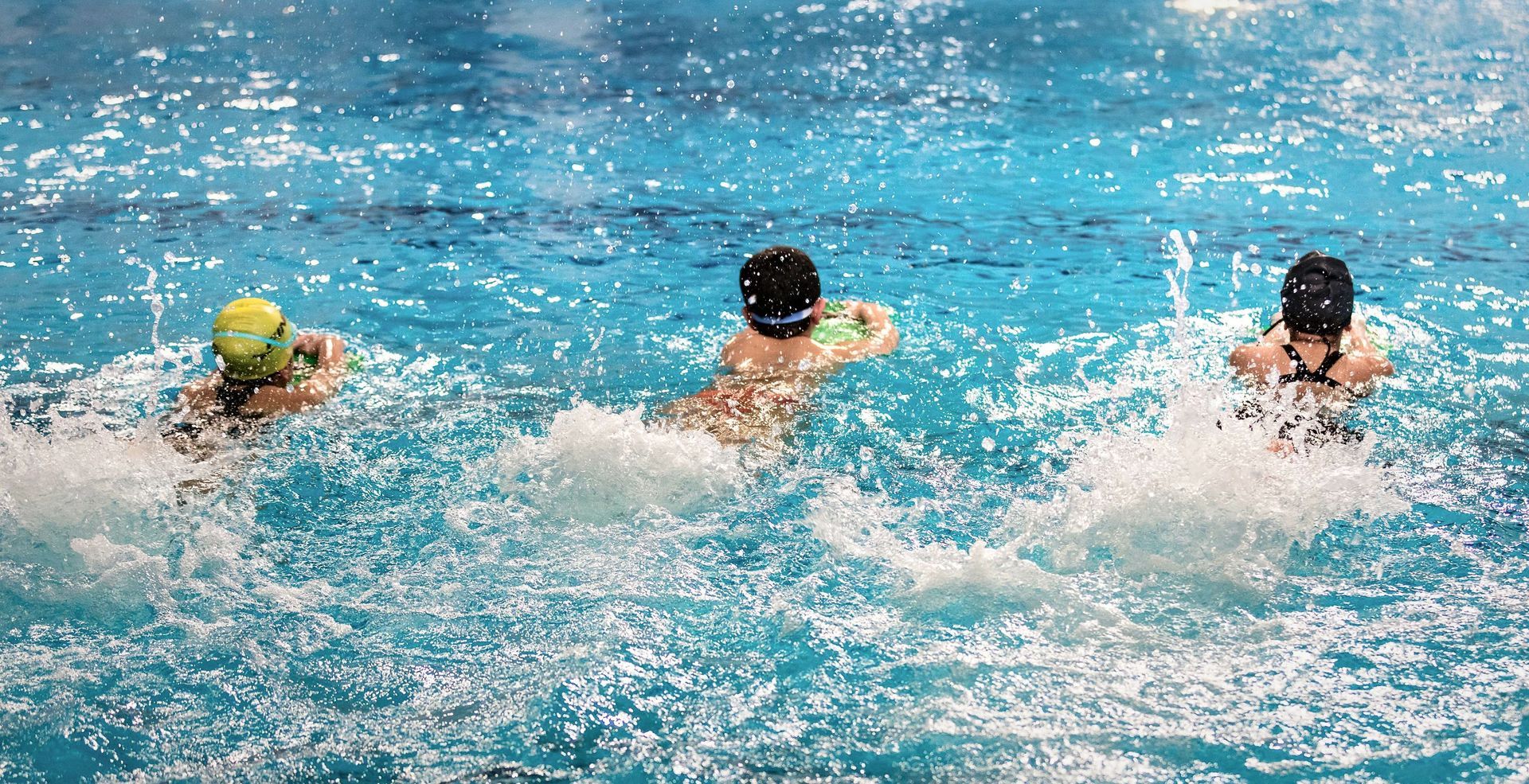
Consider freestyle. A swimmer must combine kicking, arm movements, breathing, body position, and rotation into a repeating pattern. At first, children may learn these elements separately. Practice gradually helps them connect the pieces.
This type of practice can challenge balance, timing, spatial awareness, and whole-body coordination. The 2023 systematic review found evidence that swimming interventions can positively affect fundamental movement skills, including balance.
SwimJim incorporates coordination throughout its progressive kids and teen swim lessons. Children can advance from foundational body control to backstroke, freestyle, and other coordinated swimming patterns.
At the Swim Kids level, for example, students work on muscle control and core strength alongside arm extension and kicking. More advanced swimmers coordinate arms, breathing, stroke timing, head movement, and body rotation.
These movements take practice. That is part of their developmental value.
Cognitive Development
Swimming is primarily a physical activity, but learning a new swimming skill also requires mental engagement. Children must listen, remember, respond, and adjust as they practice.
A child learning a stroke may need to remember where to place an arm or when to breathe. An instructor's direction might ask the child to complete several actions in sequence.
Research into swimming and cognitive development is promising. One frequently cited project comes from researchers at Griffith University. The four-year Early Years Swimming research project examined young children who participated in swimming.
Researchers reported that swimmers performed ahead of population norms in several areas. These included language, counting, mathematical reasoning, following instructions, and other cognitive skills.
The more useful takeaway for parents is simple. Learning to swim gives children another setting where they can combine physical movement with listening, memory, repetition, and problem-solving.
Learning Skills
Swimming lessons can reinforce habits that children also use when learning outside the pool. Listening, concentrating, remembering instructions, practicing, and responding to feedback are part of learning many new skills.
The Griffith research found particularly interesting differences in children's ability to follow directions. Researchers also reported differences in areas such as language, counting, and mathematical reasoning.
Swimming offers an active environment where children can practice skills involved in learning. A child may hear an instruction, try a movement, receive feedback, and try again. Over time, something that once required careful thought can become a familiar swimming technique.
That process teaches children something valuable about learning itself: improvement often comes through practice.
Social Development
Swimming lessons can also create opportunities for children to develop socially. Children learn around instructors and, in many classes, alongside swimmers who are developing similar skills.
The systematic review of swimming and fundamental movement skills notes that swimming provides opportunities to meet new people, learn skills, and socialize.
The lesson environment can reinforce simple but meaningful social behaviors. Children practice listening while someone else speaks. They may wait for their turn, respond to encouragement, and follow a shared class routine.
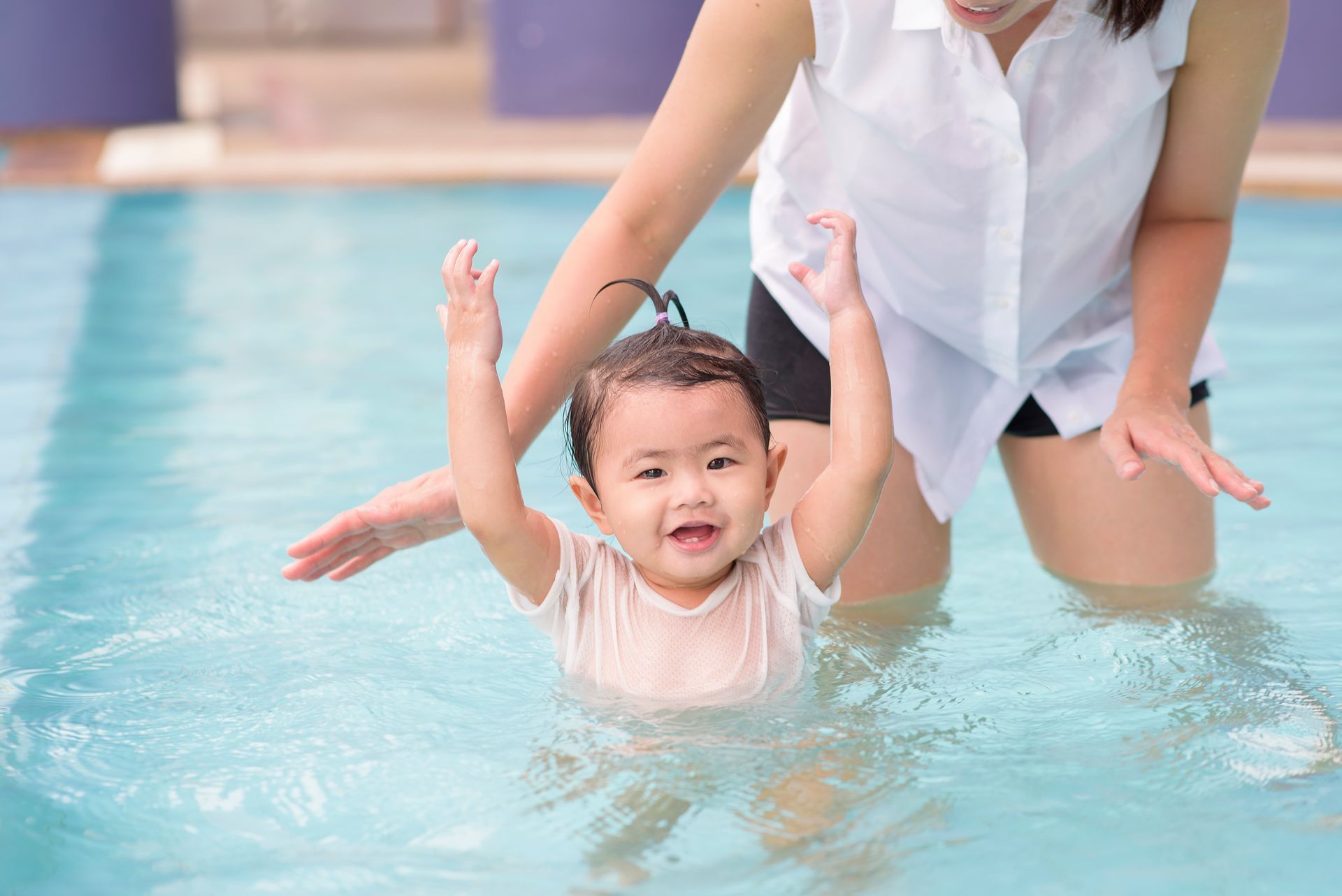
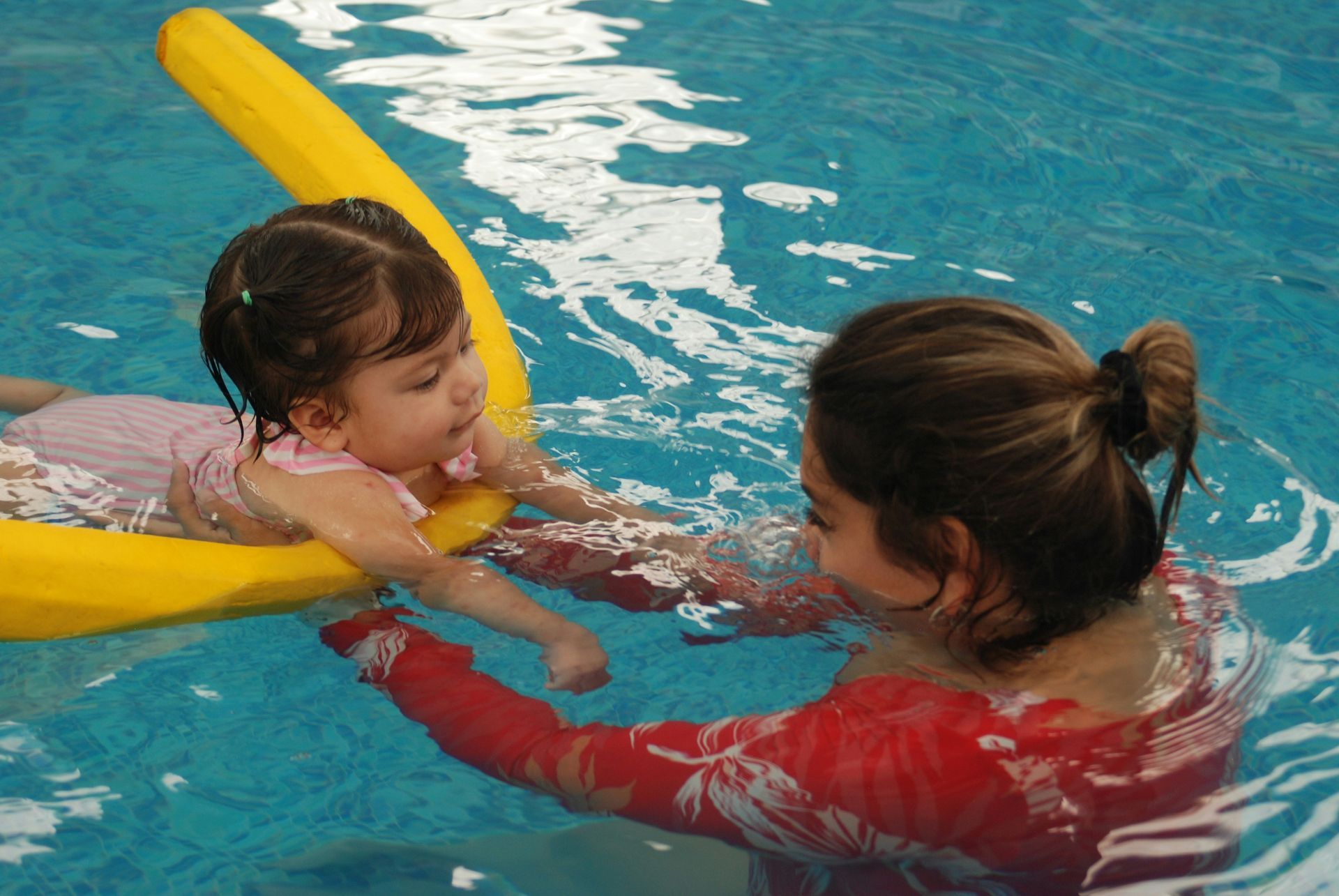
Younger swimmers can experience these interactions with a trusted caregiver nearby. SwimJim's baby and toddler programs introduce children to structured learning through movement, sound, sensory experiences, and age-appropriate instruction.
As children grow, the structure changes with them. They begin working more independently with their instructors and taking greater responsibility for their own movements.
Social development does not have to happen through a formal lesson about social skills. Sometimes, it happens naturally while children participate, communicate, practice, and learn together.
Confidence and Independence
Progress in swimming can give children visible examples of what practice can accomplish. A skill that once required assistance can gradually become something they perform independently.
A child may begin by learning breath control and supported movement. Later, that same swimmer may float independently, travel a short distance, or begin connecting movements into a stroke.
SwimJim's SwimTots program, for example, introduces independent gross motor movement and short-distance locomotion. Children also practice breath control and rolling independently into a floating position.
As swimmers progress through SwimJim's lesson curriculum, they encounter increasingly complex skills. These can include arm movements, breathing patterns, stroke timing, head rotation, and complete competitive strokes.
Progress does not need to happen at the same speed for every child. In fact, SwimJim's curriculum allows swimmers to progress at their own pace. That approach gives children time to strengthen foundational skills before adding something new.
With each new achievement, children get another opportunity to experience mastery. They can see the connection between listening, practicing, trying again, and eventually succeeding.
Development Through Swimming
Swimming can support childhood development because it brings many growing skills together. Children move their bodies, coordinate different actions, listen to directions, remember patterns, interact with others, and become more independent.
No single stroke or swimming technique develops a child by itself. The value comes from the combination of movement, instruction, repetition, engagement, and steady progress.
That makes swimming an especially rich activity during childhood. The pool becomes a place where children can learn skills while discovering what their growing bodies can do.
Parents do not need to turn every lesson into a developmental exercise, either. Children can simply learn, practice, enjoy the water, and celebrate their progress.
At SwimJim, we help children build swimming skills through structured, progressive instruction designed for different ages and ability levels. From early water experiences to coordinated strokes, each stage builds on skills children have already learned.
Explore our swimming lessons to find a program that fits your child's current stage. When children have the right support, every new skill can become another exciting step forward.