Swimming and Asthma
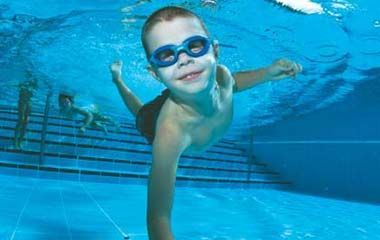

Parents of children with asthma may worry that their child will not get enough physical activity. Academic and scientific studies have shown that getting regular exercise and living a healthy lifestyle may help asthmatics keep their asthma under control.
Many have found that swimming provides them with an exercise option that enables them to stay active year-round. Swimming is considered low asthmogenicity, in other words, the risk of an asthma attack while swimming is lower than other forms of exercise.
Why is swimming a great option for people with asthma? The Asthma and Allergy Foundation recommends swimming because the warm, moist air found in indoor swimming environments may improve asthmatics ability to breathe during exercise. Dry, cold air can trigger an asthma attack, which can prevent exercise during the winter months.
Due to swimming’s emphasis on breath control, some studies have shown that swimming can increase lung volume in asthmatics, contributing to their overall fitness as well as teaching them beneficial breathing techniques. One study made by Wang Jeng-Shing from the Taipei Medical University indicated that a six week swimming class showed improvements in the symptoms of a group of 30 asthmatic children, aged seven through twelve. The positive effects of horizontal posture in the water has been tested but no results have as of yet been conclusive.
Though it is theorized that chlorine and sweat create a byproduct that may irritate the airway, studies conducted on the relationship between swimming and asthma have produced conflicting results. While it is also true that some studies have suggested that indoor swimming pools might increase children’s risk of childhood asthma, immunology specialist Matthew Rank, M.D. stresses that there is not enough clinical evidence to warrant keeping children away from indoor pools. Having a well-ventilated pool deck as well as rinsing off after each class can lower the risk.
One thing that can be agreed on is that aerobic fitness is beneficial for asthmatics and contributes to their overall health. Dr. Michael Goodman, an epidemiologist, pediatric physician, and teacher at Emory University, conducted a “meta study” wherein he reviewed 25 separate studies that dealt with the effects of indoor swimming on asthma.
“Parents should be worried about lack of exercise in children,” Dr. Goodman said. “This is by far one of the most important public health problems with children. So exercise is important, and exercise with asthmatics is important.”
The post Swimming and Asthma appeared first on Swim Jim.