Nurturing Gross Motor Skills in Early Childhood: The Benefits

The term “gross motor” development refers to physical skills that use large body movements. In this context, gross means “large” as opposed to “fine” motor skills, such as gripping a pencil.
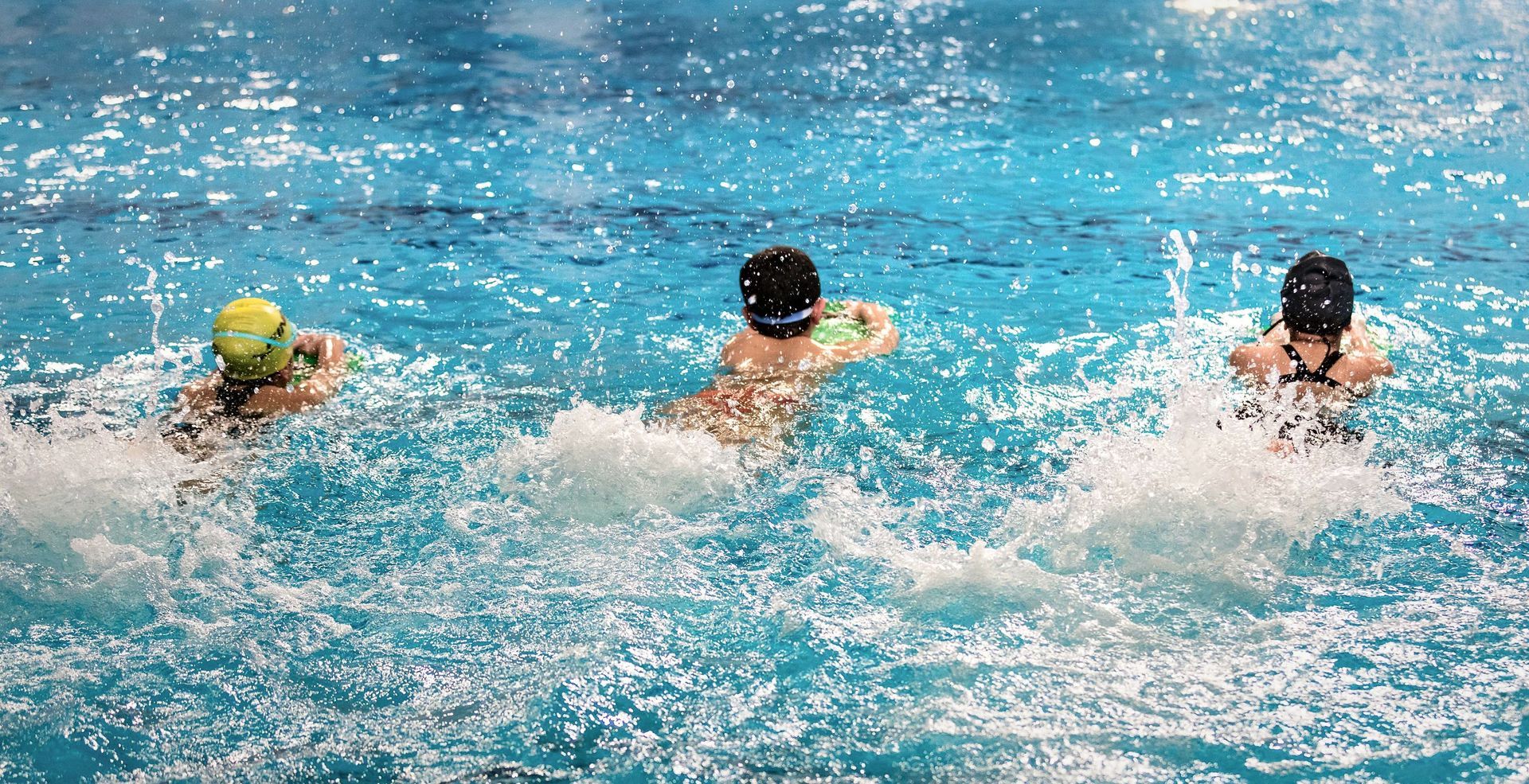
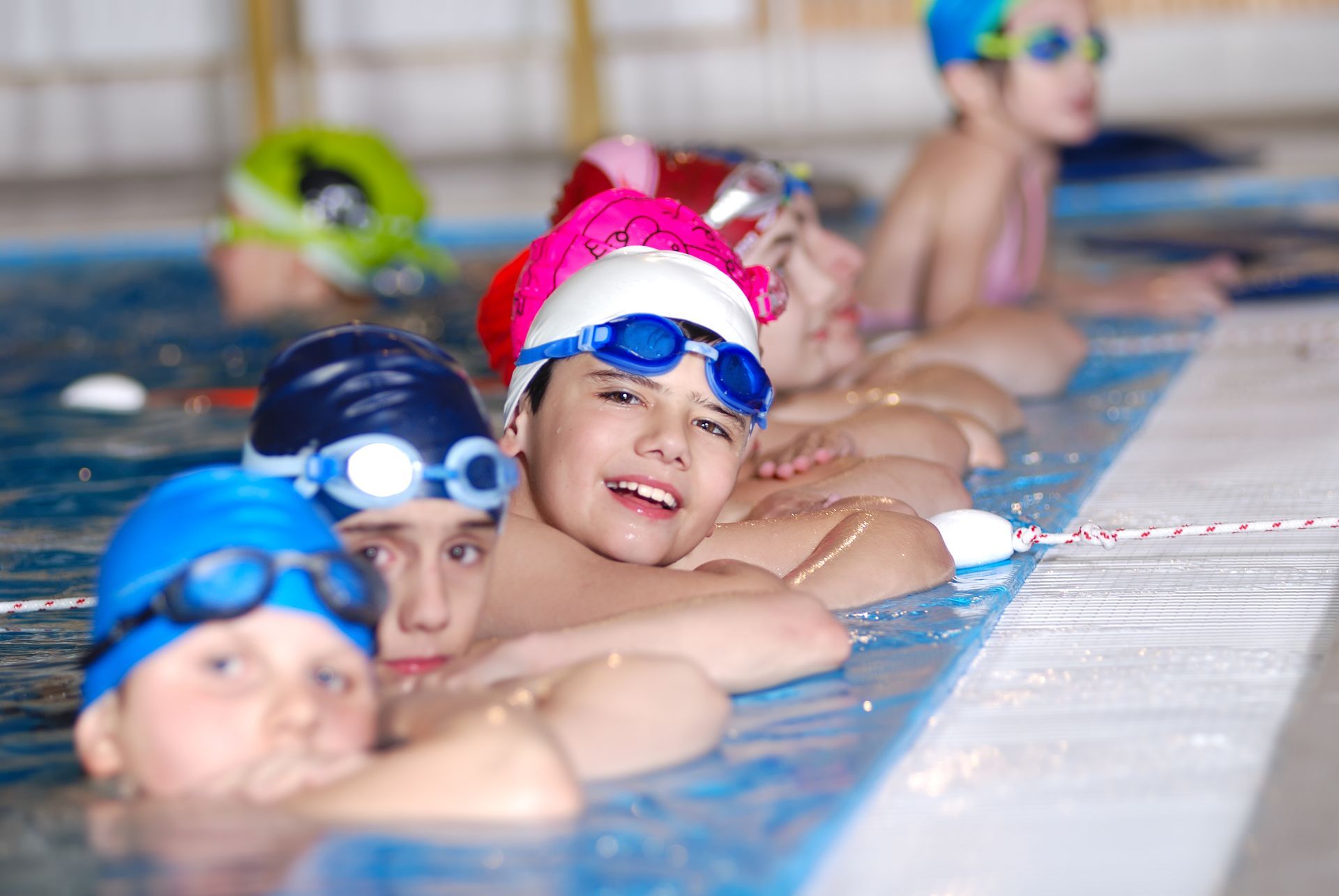
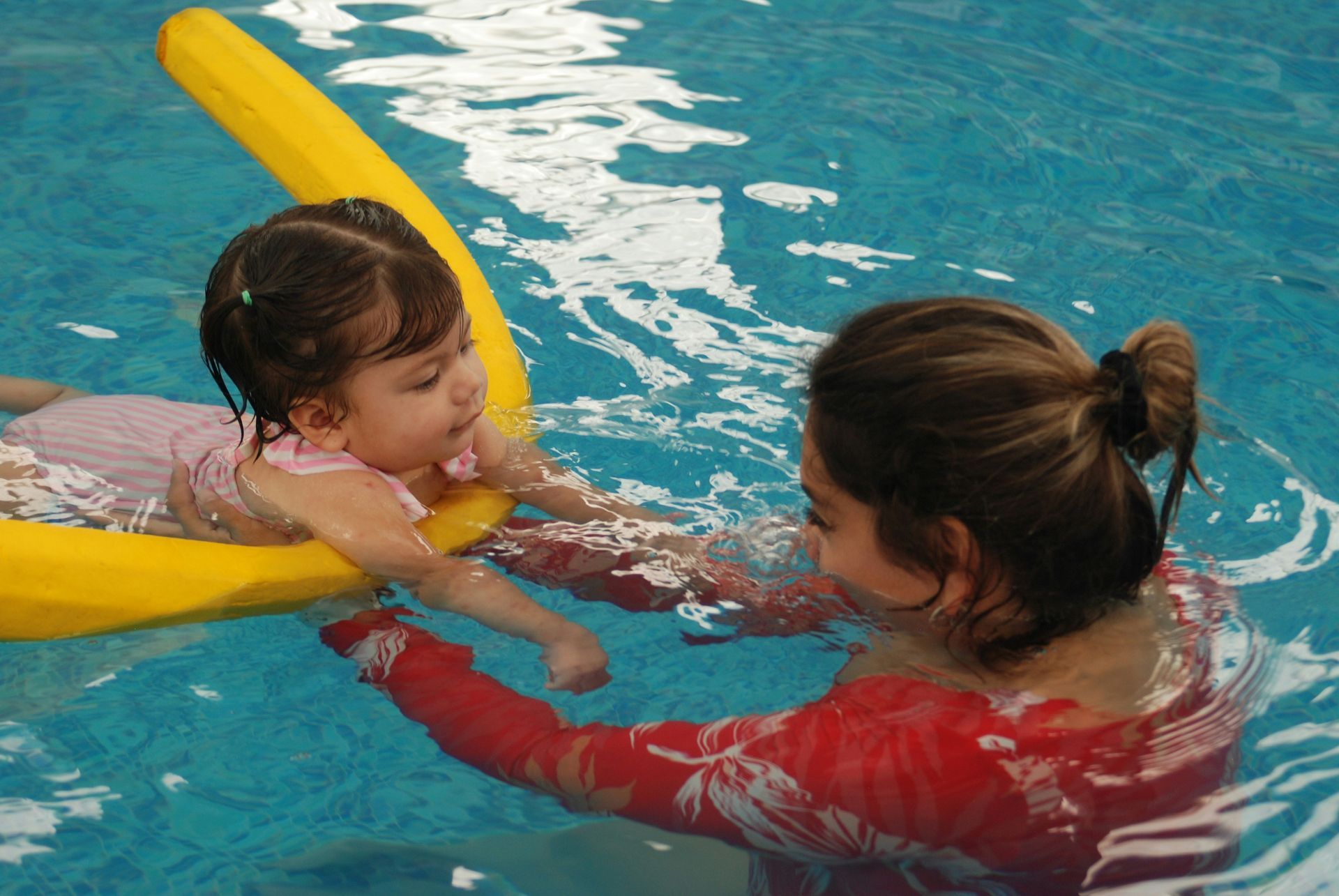
For children, every day is an opportunity to grow, master, and refine the many physical skills that we, as adults, no longer even think about. Strength, balance, and coordination must all be developed through repetition and intense periods of concentration to which children are naturally inclined. You have probably observed this behavior in your child: climbing on furniture, reaching up to pull items off the counter, jumping off the stairs– not always ideal in terms of safety. The best way we can facilitate this natural process is to provide rich and safe environments for children to explore their abilities and push the boundaries of their gross motor skills. Structured, stimulating classes (such as swimming!) provide a perfect outlet for their growing bodies to move!
Recent studies have indicated that our brains go through critical periods of development as we grow older. While these so called “windows of opportunity” do not slam shut at any certain age, they certainly narrow as we grow up. With regards to gross motor skills, the critical period of development seems to take place between the prenatal period and the age of five. These are the years in which experience is vital to laying the “foundation” of brain circuits connected to motor control. Where it was once understood that we were born with complete “wiring”, it is now the view that while we are born with certain fundamental circuits (for breathing, heartbeat, reflexes), the rest of the brain’s pathways are determined by experience. These connections are made only through experiences and stimulation from the environment.
Early experiences lay the groundwork for lifelong learning and behavior. Taking full advantage of this explosion of brain development that takes place during these early years will continue to benefit your child for years to come.
References:
Optimizing Early Brain and Motor Development through Movement. Carl Gabbard, Ed.D., and Luis Rodriguez.
Physical Nurturing: Gross Motor Activities in Early Childhood. Angela Oswalt, MSW, Natalie Staats Reiss, Ph.D and Mark Dombeck, Ph.D
The post Nurturing Gross Motor Skills in Early Childhood: The Benefits appeared first on Swim Jim.