Home Swim Training: Turning Your Space Into a Personal Workout Zone
Swimming is more than a sport—it’s a lifelong skill that brings joy, fitness, and confidence. But what if you want to keep up your swim training at home, even when you don’t have access to a pool? The good news: you can! With a bit of creativity and the right approach, your living room, backyard, or garage can become a personal workout zone, helping you stay connected to the water, wherever you are.
Land-Based Movements for Swim Strength
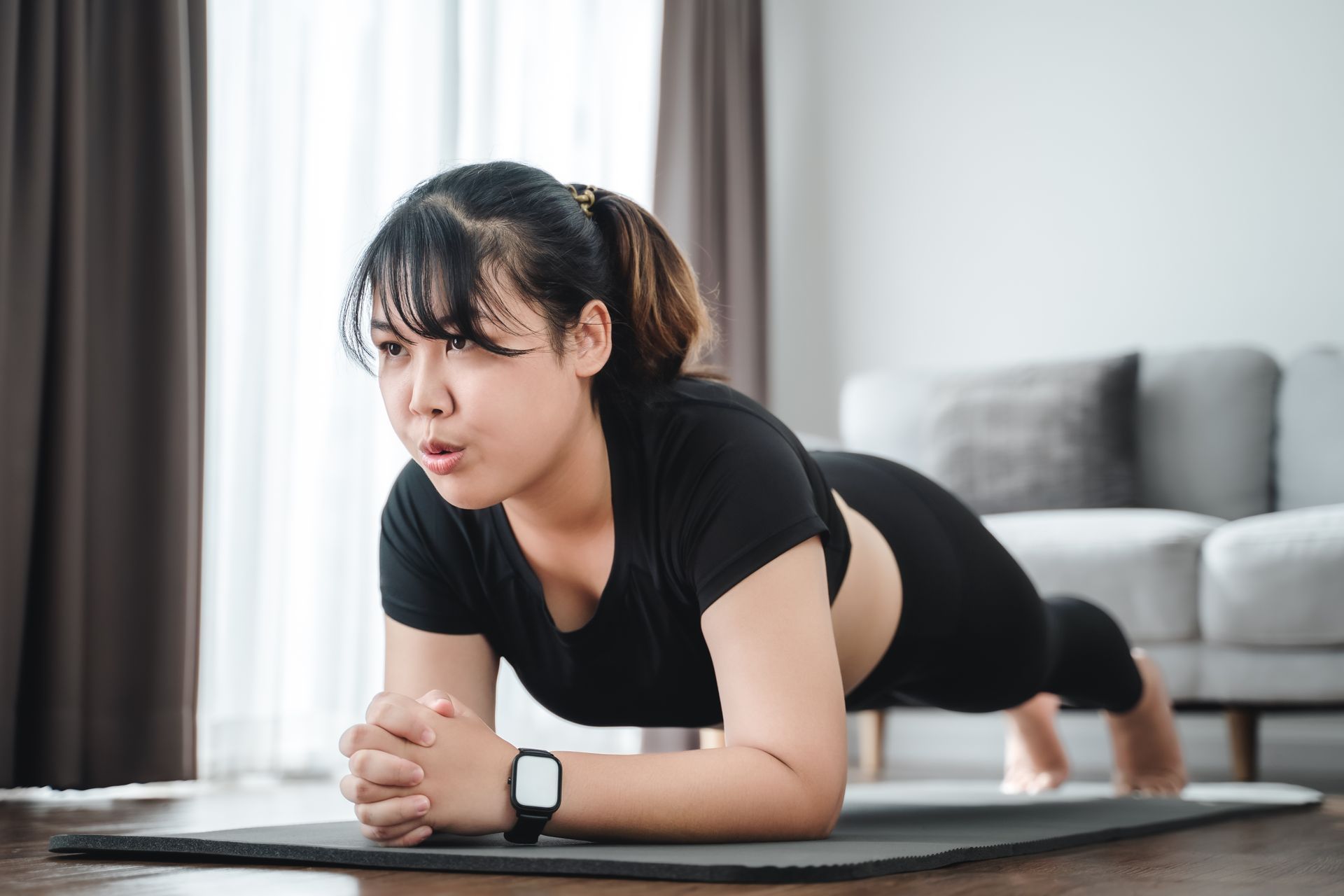
Dryland exercises are the foundation of home swim training. These movements build the strength, flexibility, and endurance needed for powerful strokes in the water. Core exercises like planks, bridges, and supermans mimic the muscle engagement used in swimming, while resistance bands can simulate pulling and kicking motions.
Dryland strength training improves swim performance and reduces injury risk by enhancing muscle balance and joint stability. At SwimJim, we encourage swimmers of all ages to incorporate land-based routines into their weekly schedule.
DIY Equipment for At-Home Practice
You don’t need a fancy gym to train like a swimmer. Everyday items can become your best workout tools. A sturdy chair is perfect for tricep dips and step-ups, while a towel can stand in for a resistance band if you’re practicing arm pulls. For a more swim-specific feel, try using a broomstick to practice streamline positions or flutter kicks while lying on your back.
If you’re looking to invest a little more, affordable swim cords and stretch bands are available online and can be anchored to a door or heavy furniture. These tools help replicate swim strokes and boost muscle memory. Resistance bands are effective for building strength and improving flexibility, making them an excellent addition to any swimmer’s home routine.
Flexibility Routines for Fluid Motion
Flexibility is key to smooth, efficient swimming. Gentle stretching, yoga, and mobility drills keep your joints healthy and your muscles ready for action. Focus on shoulders, hips, and ankles—areas that often get tight with regular swim practice. Yoga poses like downward dog, cobra, and child’s pose can help maintain the range of motion needed for strong strokes.
Regular flexibility training improves swimming efficiency and reduces fatigue. At SwimJim, our instructors often integrate stretching into lessons to promote lifelong mobility.
Cardiovascular Workouts for Endurance
Swimming is a fantastic cardiovascular workout, but you can also boost your heart health on land. Jump rope, jogging in place, and high-knee marches elevate your heart rate and simulate the aerobic demands of swimming. Even a brisk walk or a dance session in your living room can keep your endurance up between pool sessions.
The Centers for Disease Control and Prevention recommends at least 150 minutes of moderate-intensity aerobic activity each week for adults. Mixing land-based cardio with swim-specific movements helps you stay fit and ready to dive back in when you return to the pool.
Motivation Strategies for Consistent Progress
Staying motivated without the splash of water can be a challenge, but setting small, achievable goals keeps you on track. Track your workouts in a journal, celebrate milestones, and connect with other swim enthusiasts online. Virtual swim communities are a great place to share tips, find encouragement, and stay accountable.
For families, turning workouts into games or challenges can make training fun for everyone. At SwimJim, we believe that a positive, supportive environment is key to building strong swimmers and confident individuals.
Ready to take your swim training to the next level? Whether you’re working out at home or preparing for your next pool session, SwimJim is here to help. Contact us to learn more about our programs and personalized support. Dive in—your personal workout zone starts here!