A Guide to Choosing the Right Swim Class for Your Child
Finding the right swim class for your child can feel a little like standing at the pool's edge for the first time — exciting, a bit overwhelming, and full of questions. This guide is here to make that first step easier.
Swimming is one of the most important life skills a child can develop. It builds confidence, supports physical development, and — most importantly — it saves lives. According to the CDC, drowning is the leading cause of death for children ages 1–4 in the United States. The good news? Research published in the Archives of Pediatric and Adolescent Medicine found that formal swim lessons are associated with an 88% reduction in drowning risk for children in that age group. That's a number worth paying attention to.
But not all swim programs are the same, and the right fit for your child depends on their age, personality, and where they are in their swimming journey. Here's what you need to know.
Starting Early: What Age Is the Right Age?
One of the most common questions parents ask is: "When should my child start swim lessons?" The answer is earlier than you might think. The American Academy of Pediatrics (AAP) recommends swim lessons as a layer of protection against drowning that can begin for many children starting at age 1. Before that, parent-child water play classes can help your baby get comfortable in the water, even if formal instruction isn't yet developmentally appropriate.
That said, every child develops at their own pace. Readiness isn't just about age — it's also about emotional maturity, comfort in new environments, and the ability to follow simple directions. A nervous 18-month-old may need a gentler, more gradual introduction than a bold 14-month-old who splashes gleefully in the bathtub. Trust your instincts, and don't be afraid to ask your pediatrician if you're unsure.
Understanding the Types of Swim Programs Available
Walk into any swim school, and you'll likely see a menu of class options that looks a little like alphabet soup. Here's a simple breakdown of what's typically available and who each is best suited for.
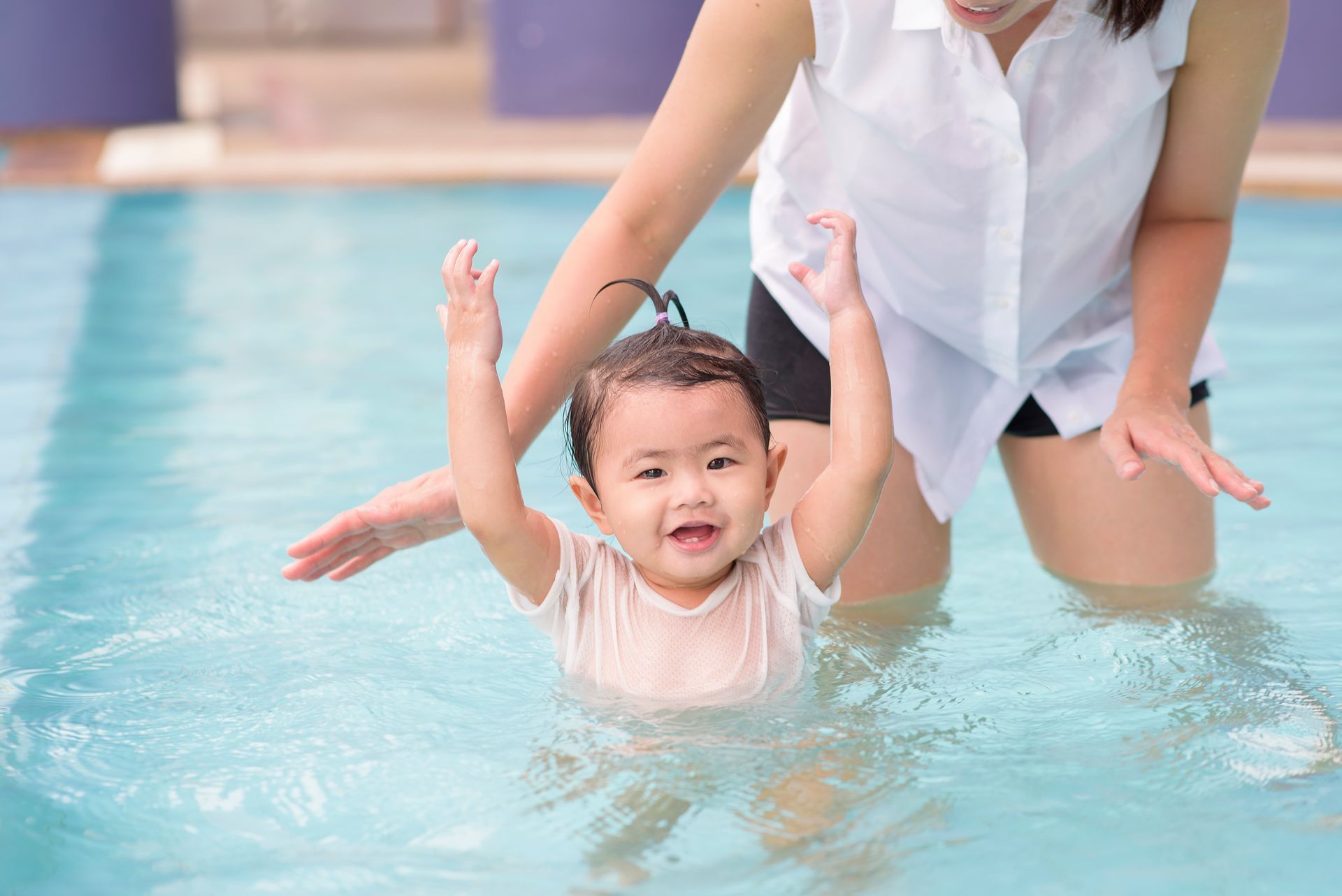
Parent-child classes are designed for babies and young toddlers, usually from around 6 months to age 3. A caregiver enters the water alongside the child, making it a bonding experience as much as a learning one. These classes focus on building familiarity with water — things like blowing bubbles, back floats, and learning to hold on to the pool edge. They're a wonderful first step even before formal instruction begins.
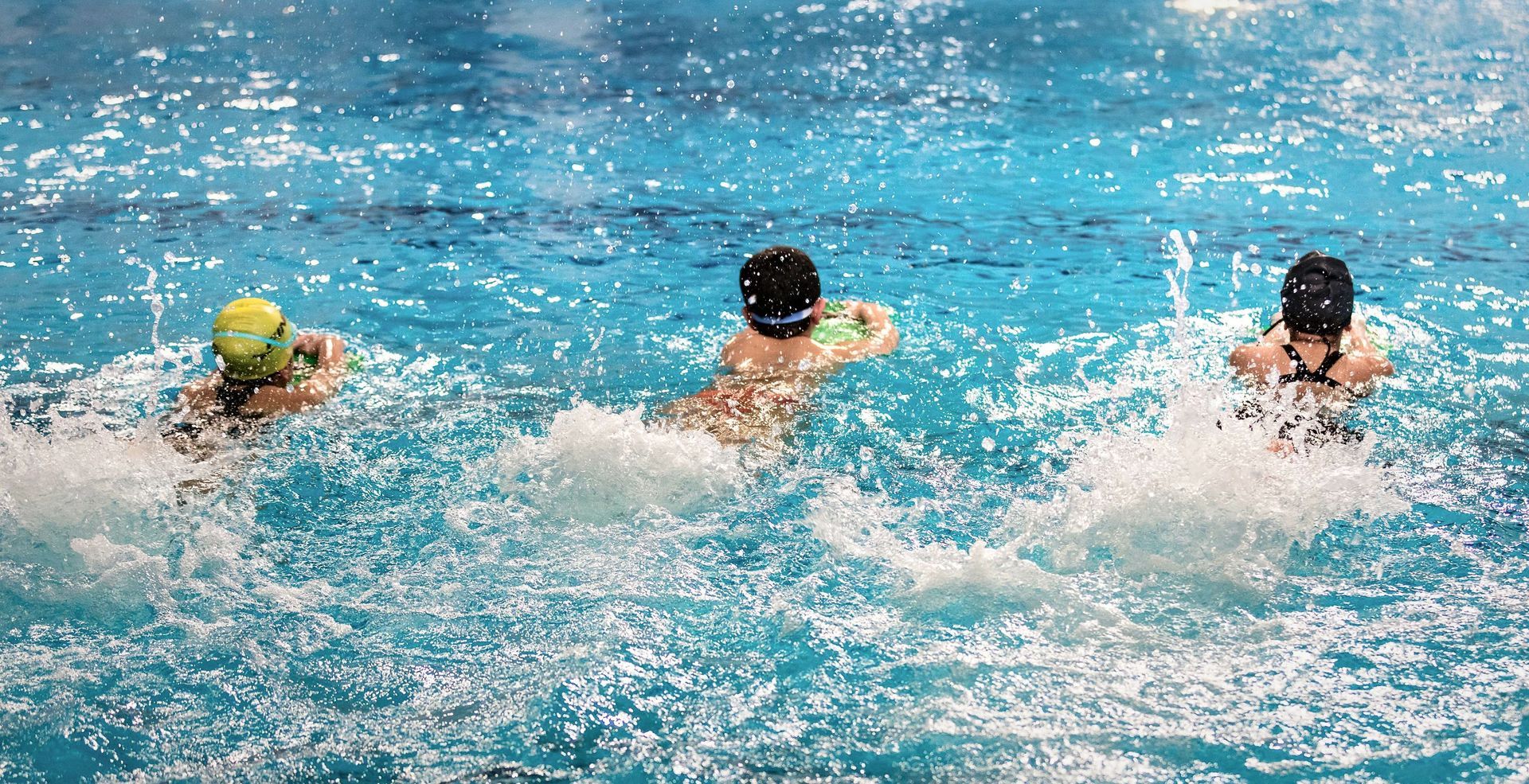
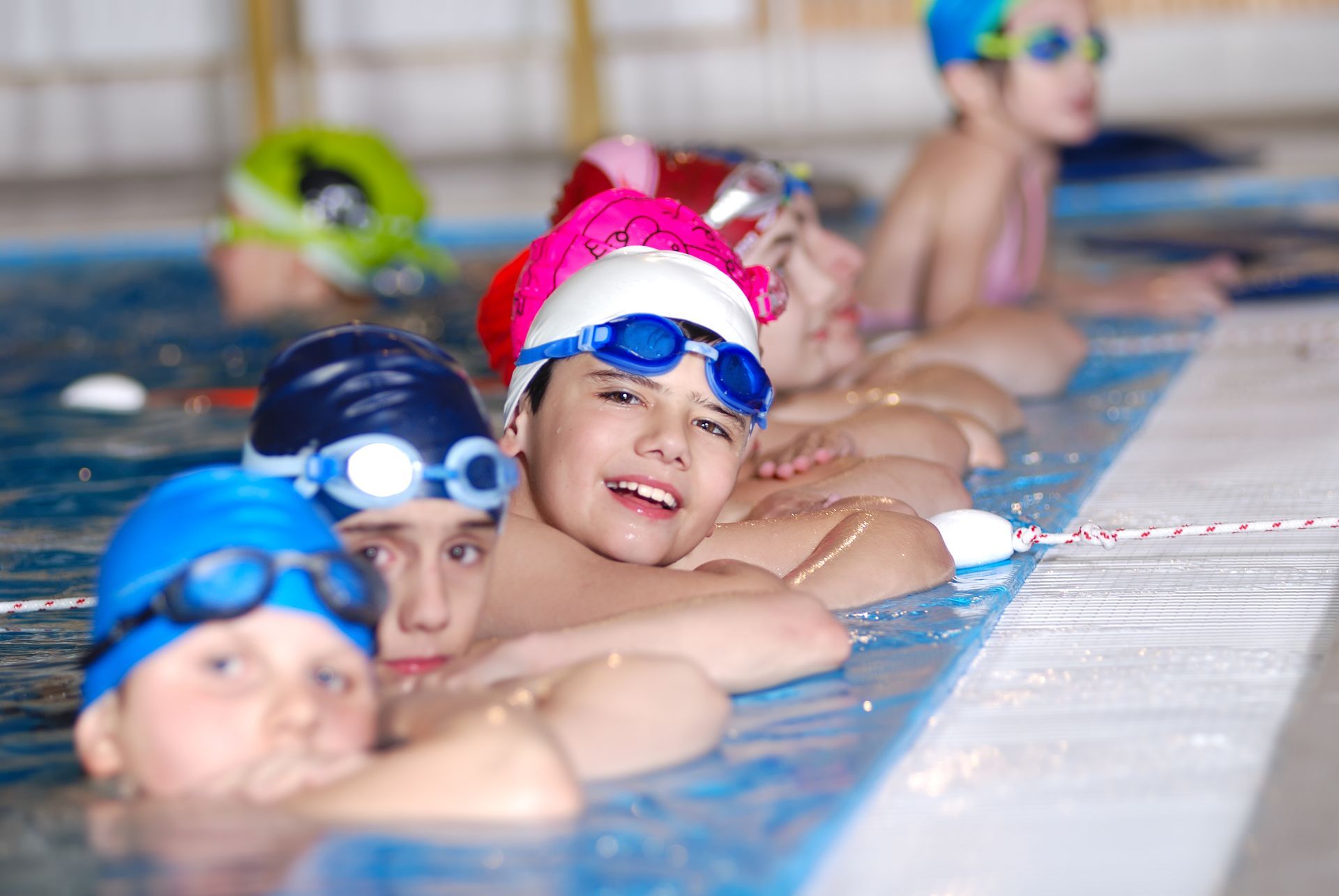
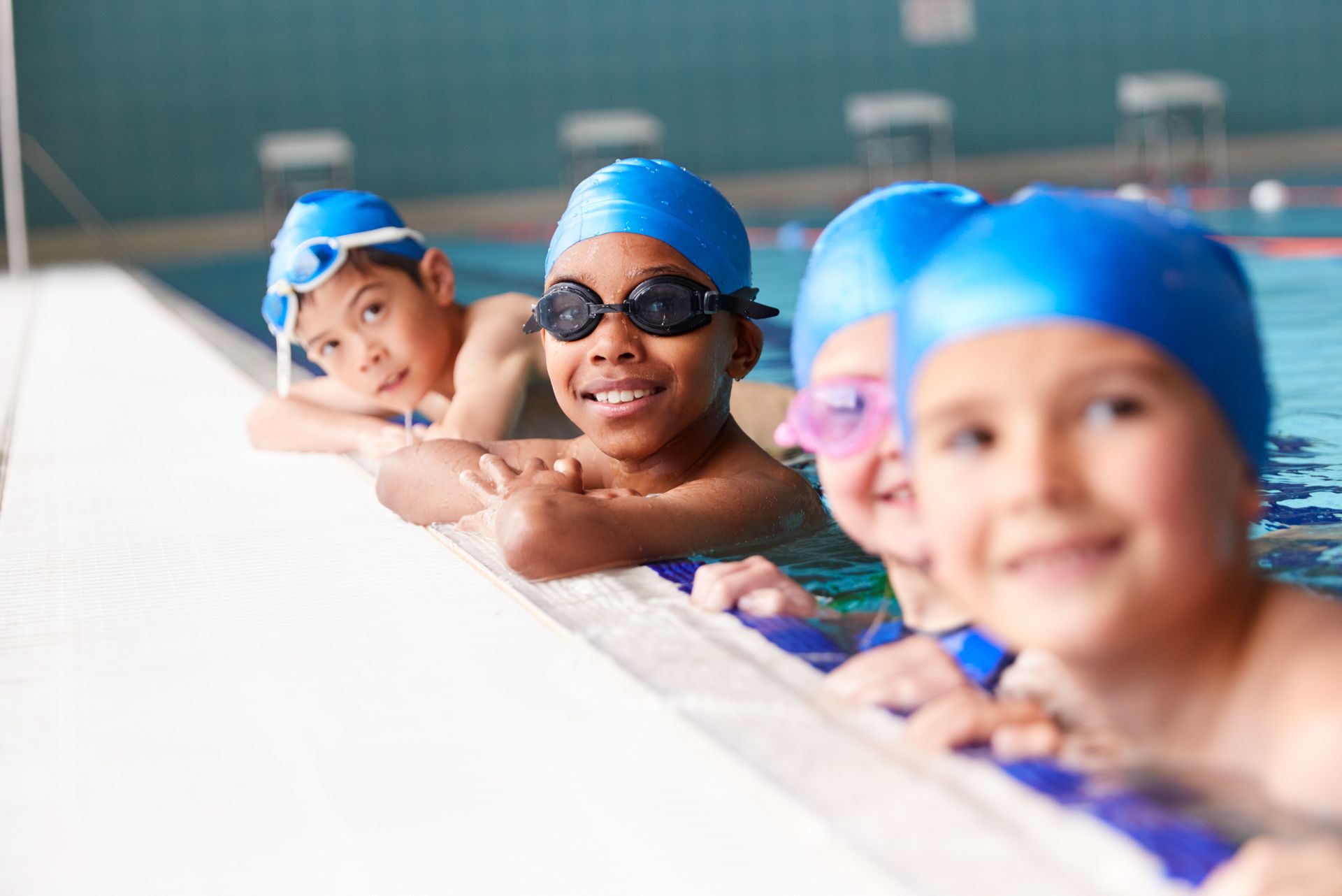
Group lessons are the most common format for kids ages 3 and up. Small classes allow children to learn alongside peers, which can be motivating and social. At SwimJim's kids' swim lessons, instructors maintain a low student-to-teacher ratio so every child still gets meaningful, personalized attention — even in a group setting. This format teaches foundational skills progressively, from breath control and back float to full stroke development.
Private lessons offer a more individualized approach. If your child is working through water anxiety, needs to catch up to their peer group, or is a quick learner who benefits from focused coaching, one-on-one instruction can accelerate progress meaningfully. SwimJim offers both private and group options to match every child's needs and learning style.
Advanced and specialty classes are designed for stronger swimmers who are ready to develop competitive strokes — freestyle, backstroke, breaststroke, and butterfly — or who want to focus on a specific area like technique refinement or endurance building.
Matching Skills to Your Child's Stage
A quality swim program starts with comfort and confidence, guiding each child forward at their own pace. It follows a structured, progressive curriculum where each skill builds on the last. Here's a general sense of what age-appropriate milestones look like at each stage.
For babies and toddlers (roughly ages 1–3), the focus is on water comfort and basic safety responses — learning to float on their back, understanding pool boundaries, and getting used to submersion. These early "survival" skills are foundational. Even if a young child can't yet swim across a pool, knowing how to roll onto their back and float can buy precious time in an emergency.
For preschool and early school-age children (ages 3–6), formal stroke instruction begins. Kids learn proper breathing technique, arm movements, and kick patterns. Front and back floating, basic freestyle, and getting to the wall independently are major milestones at this stage. Confidence in the water grows quickly here, which is deeply rewarding to watch.
For older children and pre-teens (ages 7 and up), the focus shifts to stroke refinement, endurance, and coordination across all four competitive strokes. Kids at this stage often develop a real love for swimming as a sport — not just a safety skill.
Evaluating a Swim School and Its Instructors
Not all swim programs are created equal, and doing a little research before you enroll can make a big difference. When evaluating a swim school, start by looking at the curriculum. Is it structured and progressive? Does it address water safety alongside stroke development? A well-designed program balances skill-building with safety education at every level.
Instructor quality matters enormously. Look for teachers who are certified, warm, patient, and experienced with children. The best swim instructors know how to read a child — when to push a little further and when to slow down and build more confidence. It's worth sitting in on a class or watching a session before you sign up.
Class size is another key factor. Smaller instructor-to-student ratios mean more individualized attention and faster progress. Ask the school directly what their ratios are for the age group you're enrolling. At SwimJim, we keep class sizes intentionally small so each swimmer gets the guidance they deserve.
Finally, look at the facility itself. Is the pool clean and well-maintained? Is the water temperature appropriate for young swimmers? Is there always a qualified adult supervising the pool deck? A safe, welcoming environment sets the tone for every lesson.
Ready to Find the Perfect Class?
Whether your little one is just getting started or ready to master all four strokes, SwimJim has a program built for them. Explore our
swim lessons for every age and ability — and
find a location near you in New York or Houston.