The Role of Swimming in Reducing Risk of Drowning: Key Statistics and Studies
Water is all around us — in pools, lakes, rivers, and oceans. It's where families make memories, where kids spend summer afternoons, and where athletes train for greatness. But water also carries real risks, and drowning remains one of the most preventable causes of death in the United States. The good news? Learning to swim is one of the most powerful steps anyone can take to protect themselves and the people they love.
At SwimJim, we believe that every person deserves the confidence and skills to be safe in the water. That belief drives everything we do — from our infant swim classes to our adult programs. But don't just take our word for it. The data speaks for itself.
Why Drowning Prevention Starts in the Water
Drowning is not a distant or unlikely danger. According to the CDC, approximately 4,000 unintentional drowning deaths occur in the United States every year. That's more than 10 deaths per day. For children ages 1 to 4, drowning is the leading cause of death. For children ages 5 to 14, it ranks as the second leading cause of unintentional injury death, behind only motor vehicle crashes.
These numbers are sobering, but they aren't fixed. Research consistently shows that one of the most effective tools we have to change them is formal swim education. A landmark case-control study published in the Archives of Pediatrics & Adolescent Medicine found that participation in formal swimming lessons was associated with an 88% reduction in the risk of drowning among children ages 1 to 4. That's not a small margin — that's a life-saving difference.
It's worth noting the distinction the study makes: formal lessons, not informal instruction. Children who learned through structured programs with qualified instructors showed a dramatically lower risk compared to those who received casual water exposure. This matters because structure, consistency, and expert guidance aren't just nice extras — they're central to real water safety.
A Growing Crisis That Demands Action
If you thought drowning rates were steadily declining, recent data tells a more urgent story. A 2024 CDC Vital Signs report found that unintentional drowning death rates rose significantly in 2020, 2021, and 2022 compared to pre-pandemic levels in 2019. When public pools closed during the COVID-19 pandemic and swim lessons were disrupted, many children missed critical windows for learning water safety skills — and the consequences were real.
The same CDC report revealed that roughly 55% of U.S. adults have never taken a swimming lesson. That's more than half the adult population heading to beaches, pools, and lakes without ever having received formal instruction. Gaps in access to swim education contribute directly to these disparities in drowning rates.
The urgency is real. But so is the solution.
What the Science Says About Swim Lessons
Beyond the landmark pediatric study, a growing body of research supports the protective power of swimming education. A 2025 systematic review published in PMC analyzed dozens of studies on swim training and water safety programs for children. The review found moderate-certainty evidence that swim training significantly decreases the risk of drowning death in children ages 4 to 12. It also found that water safety training is effective in improving knowledge of and safe behavior around water.
Researchers also highlighted that the method of delivery matters. Programs that use structured techniques, focus on building motor awareness in the water, and take place in controlled environments produce the best results. That's consistent with what experienced swim educators have known for decades: a thoughtful, progressive curriculum builds skill, confidence, and instinct.
Confidence matters more than most people realize. A swimmer who panics in an unexpected situation is more vulnerable than one who has practiced staying calm in the water. Formal lessons don't just teach strokes — they teach how to think and respond when things don't go as planned.
How SwimJim Puts These Principles Into Practice
At SwimJim, our approach was built from the ground up around water safety. Founded by Jim Spiers, who partnered with U.S. Olympian Catherine Fox to develop our curriculum, our programs reflect decades of expertise in aquatic education. Every instructor is certified by the United States Swim School Association (USSSA), CPR- and First Aid-certified, and trained in the internationally recognized Underwater Schoolhouse methodology.
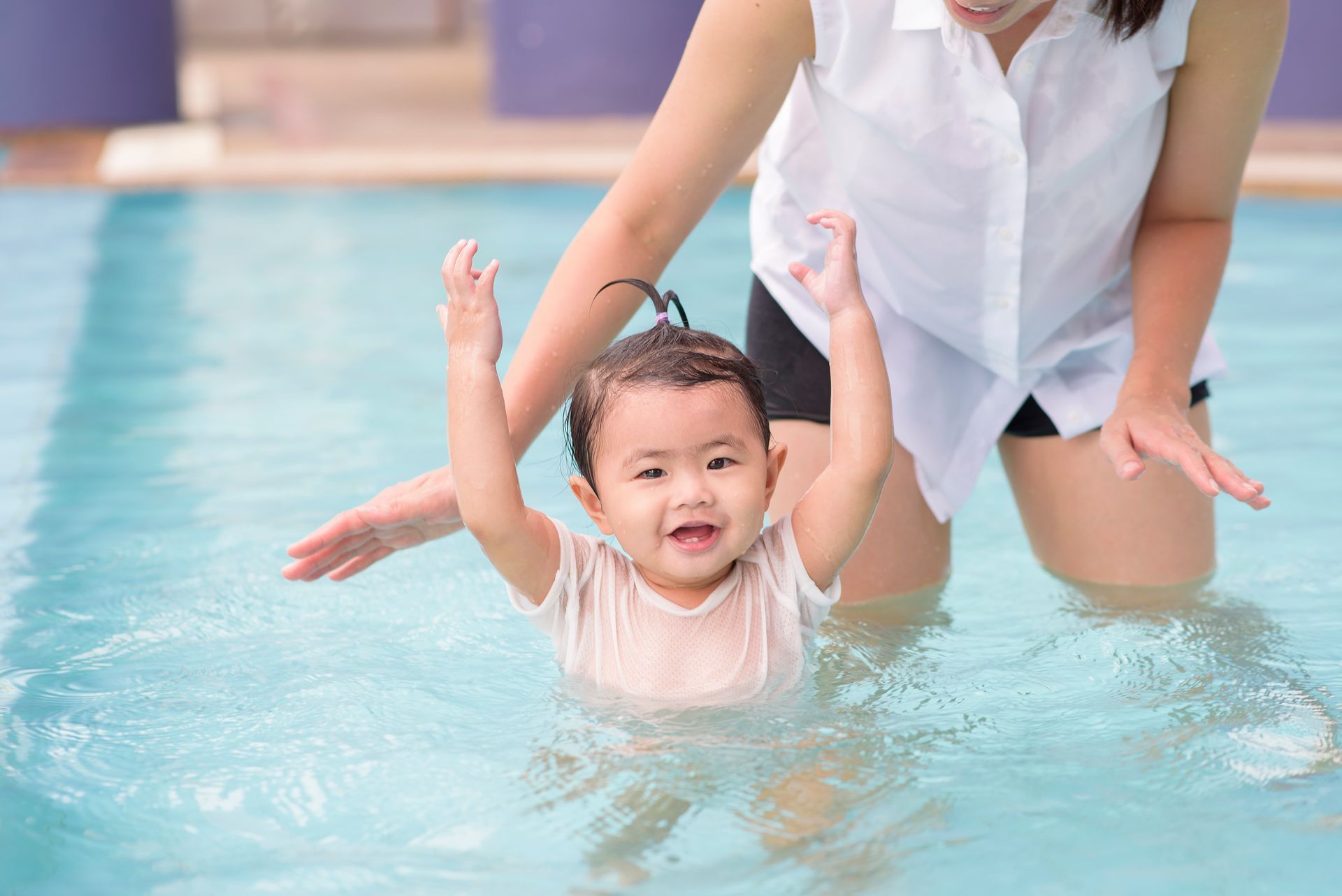
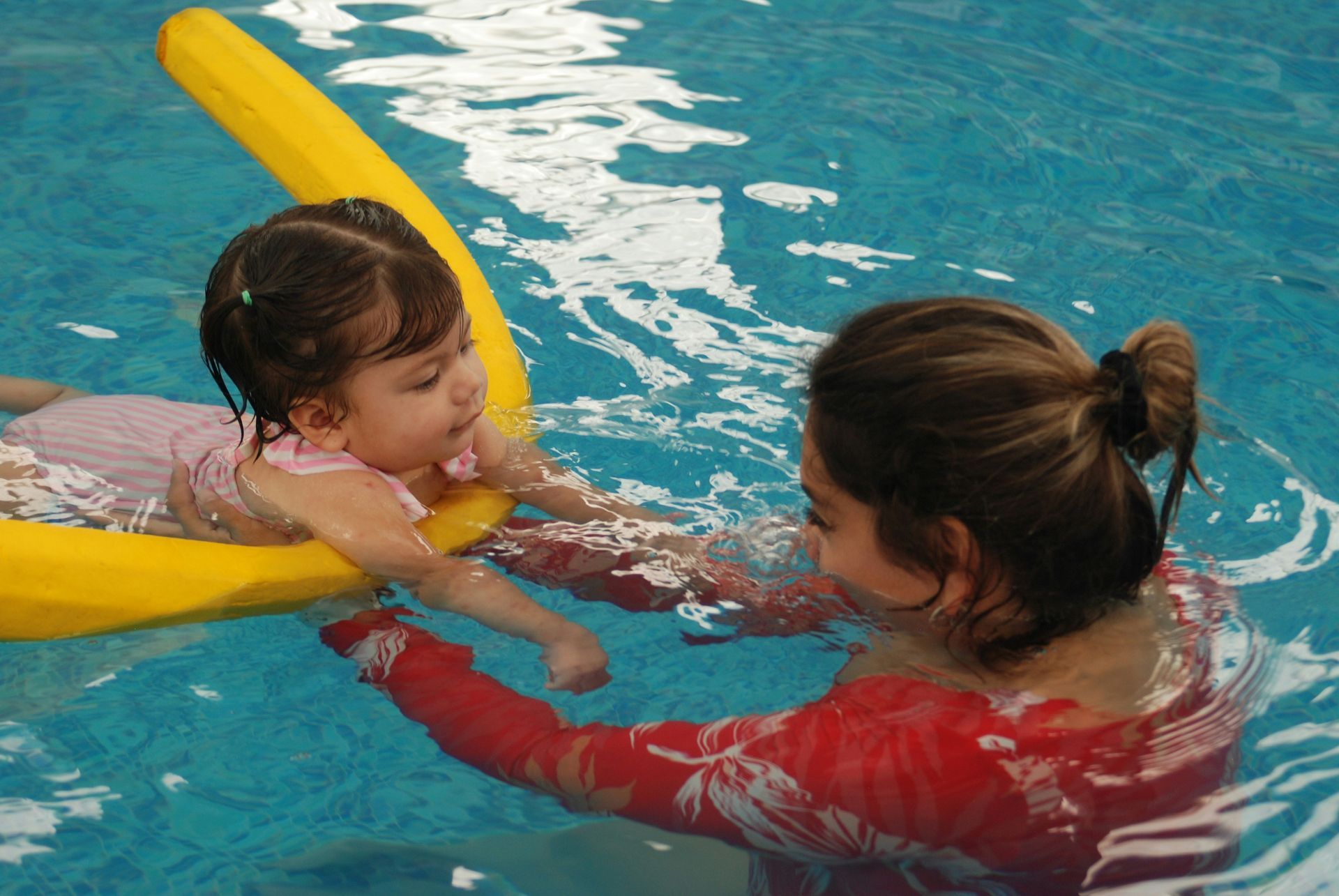
Our curriculum starts with the youngest learners. The SwimFants program introduces infants to the water through gentle, sensory‑rich activities that build early comfort, breath control, and foundational water‑safety skills. From back floats and breath control to emergency response skills, every class is designed to build habits that could one day save a life. As students grow, they progress through a carefully structured series of levels — each one building on the last — so that by the time they're swimming independently, they have both the physical skills and the water awareness to stay safe.
We also offer swim lessons for adults, recognizing that the 55% of adults who never learned to swim deserve the same opportunity to build life-saving skills. Whether you're nervous around water or simply want to sharpen your technique, our low instructor-to-student ratio means you get the personal attention that makes the difference.
SwimJim is also proud to participate in the Stop Drowning Now Foundation, which reflects our commitment to drowning prevention beyond the pool deck. We believe water safety education is a community responsibility — and we take that seriously at every location, from New York City to Houston, Texas.
More Than Lessons — A Life-Saving Skill
When you enroll yourself or your child in swim lessons, you're not just signing up for a recreational activity. You're making a decision backed by data, research, and the real-world experiences of families who know how important water safety truly is. Swimming is a life skill — one that builds confidence, promotes physical health, and provides protection that lasts a lifetime.
The statistics make the case clearly: formal swim education saves lives. And the earlier it starts, the better. If you're ready to take that step,
explore SwimJim's programs and find the right class for your family. Because the best time to learn water safety is before it matters most.